Best CBD Cannabis Strains for Beginner Growers: What to Look For
CBD cannabis strains for beginner growers should be forgiving, predictable, and matched to your space. Learn the traits that make a first CBD grow easier.

Your first CBD grow should teach you how the plant behaves, not force you to fight difficult genetics from day one. That is why choosing CBD cannabis strains for beginner growers should start with resilience and predictability rather than hype.
A beginner-friendly CBD strain is not necessarily the strain with the highest CBD percentage or the most famous name. It is the one that fits your grow space, finishes on a realistic schedule, handles small mistakes reasonably well, and comes from genetics with a clear cannabinoid target.
If you are still deciding what CBD level you want, begin with our guide to CBD-to-THC ratios. Once that target is clear, this article will help you judge which plants are easiest to live with as a new grower.
What Makes a CBD Strain Beginner-Friendly?
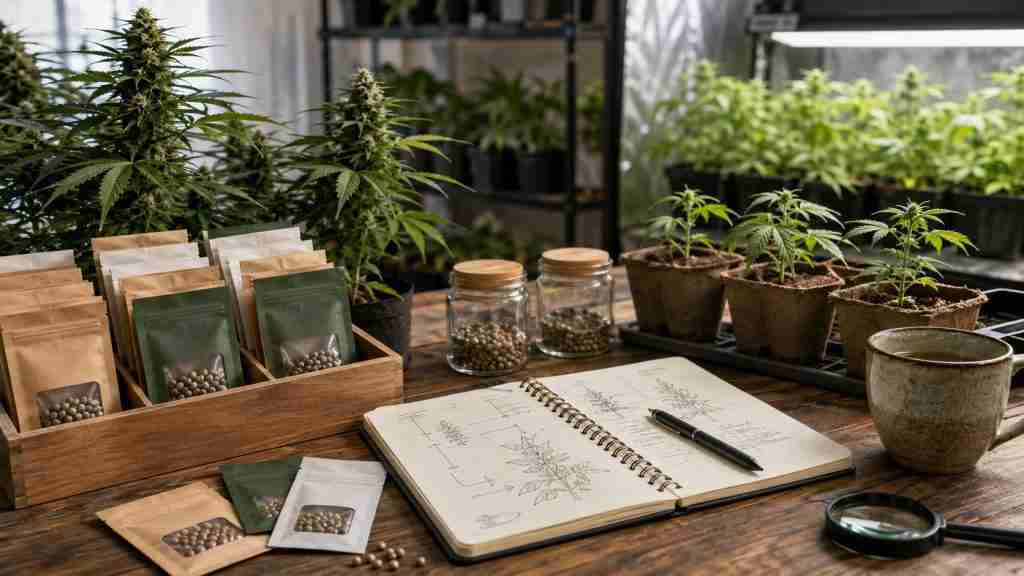
The best beginner genetics usually share a few practical traits. They have stable growth, moderate stretch, reasonable flowering time, and a reputation for handling ordinary environmental fluctuations without becoming overly sensitive.
Look for breeder descriptions that use words such as easy, vigorous, resilient, stable, or beginner friendly. Those words are not guarantees, but they are useful clues when supported by clear flowering and growth information.
Also look for strains that do not require highly specialized training or feeding. Your first run should give you room to learn watering, environmental control, canopy management, and harvest timing without adding unnecessary complexity.
Choose a Seed Type That Matches Your Experience
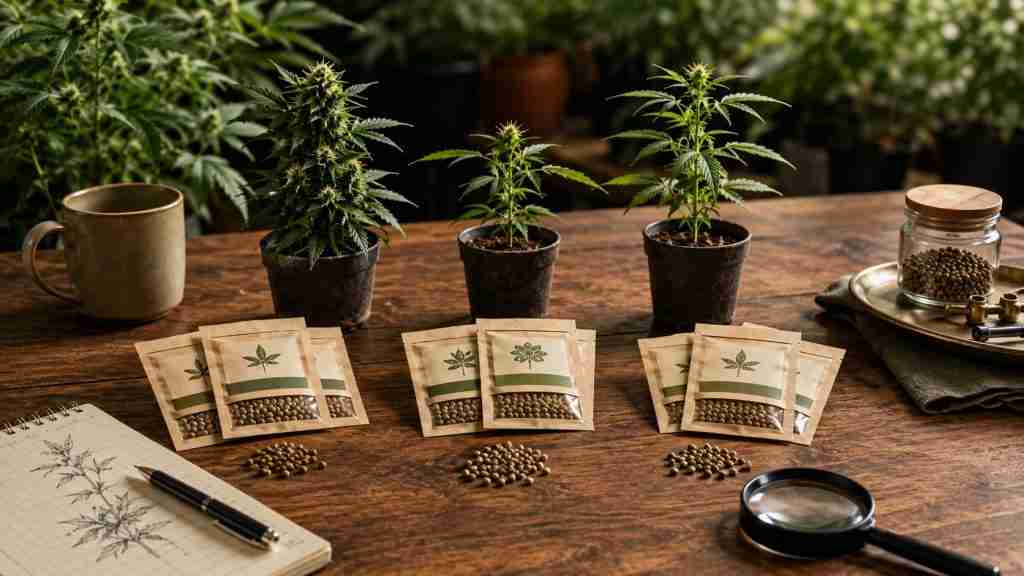
Feminized photoperiod CBD seeds are often a comfortable first choice because you do not need to remove male plants and you can control the vegetative period indoors. If something slows the plant down, you can usually give it more time before flowering.
CBD autoflowers can also be beginner friendly because the light schedule is simple and the plants often stay compact. The tradeoff is that autos keep moving through their life cycle, so early mistakes can reduce final size.
There is no rule saying every beginner must grow one type. Choose the format that fits your space and personality. If you want more control, photoperiod may be easier. If you value speed and simplicity, a well-bred CBD auto may be a good fit. Our CBD autoflower vs photoperiod guide goes deeper into that choice.
Do Not Ignore the CBD-to-THC Ratio
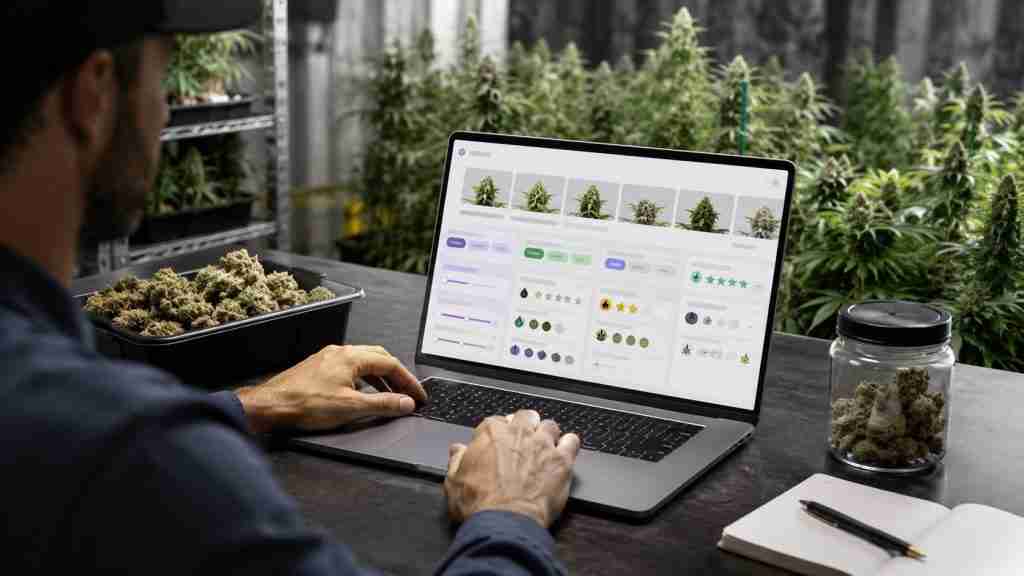
Beginner growers sometimes see the words “CBD strain” and assume every CBD cultivar is basically the same. They are not. A balanced 1:1 line and a strongly CBD-dominant line serve different goals.
Read the breeder’s target ratio and expected cannabinoid range. If you want minimal THC, do not assume a strain is low-THC just because CBD appears in the name. If you want balance, do not accidentally choose a near-pure CBD cultivar when a 1:1 profile is what you meant to grow.
Clear cannabinoid information is also a sign that the breeder or seller understands the product. Vague claims deserve more caution.
Match the Strain to Your Environment
One of the easiest ways to make a first grow harder is choosing a strain that fights your environment. Small indoor spaces usually benefit from manageable height and moderate stretch. Outdoor gardens benefit from genetics that finish reliably within the local season.
If humidity is a concern, avoid choosing only by CBD percentage. Structure and flower density matter too. If your tent is short, do not ignore breeder notes about tall plants. If your outdoor season is short, a long-flowering CBD photoperiod may not be the best first project.
The right beginner strain is the one that fits the environment you actually have.
Look for Stable Genetics and Clear Breeder Information
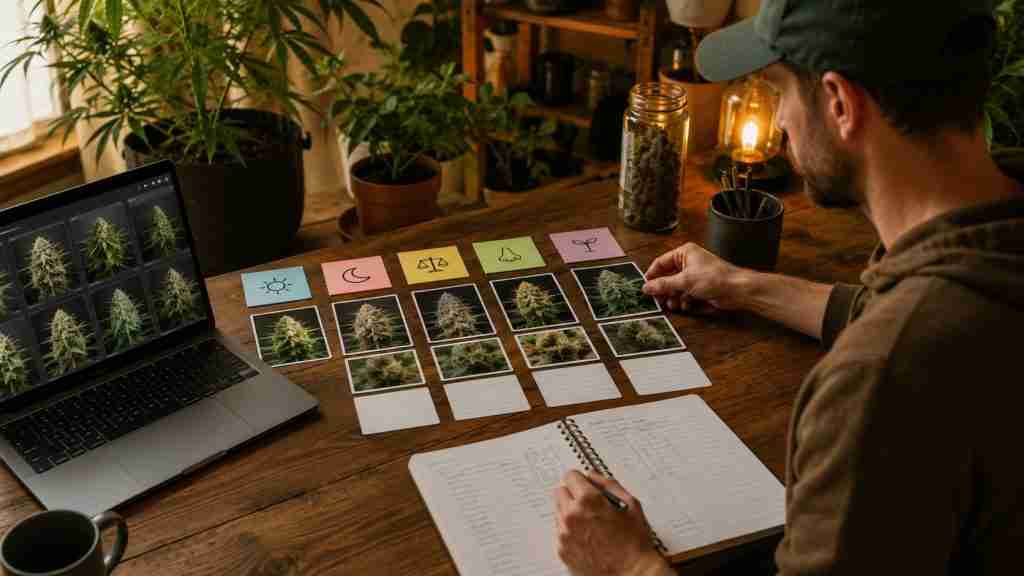
CBD breeding adds another reason to care about stability. You are not only choosing plant shape and flowering time; you are also choosing a cannabinoid target. A breeder that clearly explains lineage, CBD range, THC range, seed type, and expected growth habits gives you more useful information than a listing built around marketing language.
When possible, compare several versions of a strain name. Different breeders may have different selections and different cannabinoid targets. Use our guide to researching CBD strains at Find My Seeds if you want a structured way to compare genetics and breeder context.
Use Terpenes and Effects as a Secondary Filter
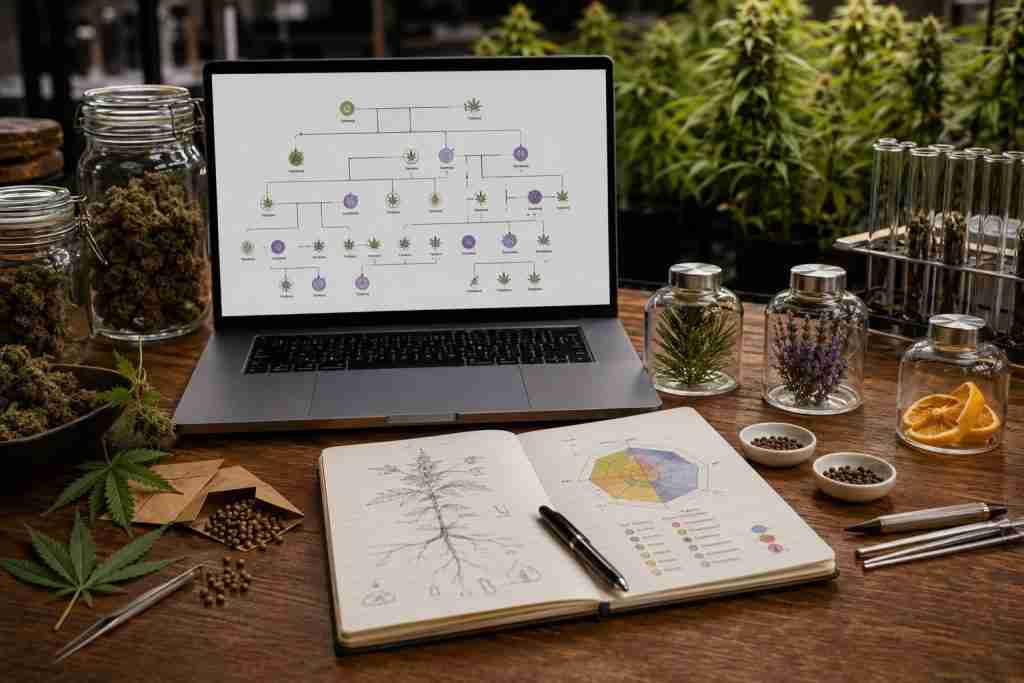
Once the strain fits your grow and cannabinoid target, look at terpene direction, aroma, and reported effects. These should be secondary filters rather than the first thing you choose.
A beginner grower may love a citrus or floral profile, but that preference should not override a poor environmental fit. First find easy, compatible genetics. Then use our guide to terpenes in CBD cannabis strains to separate the best candidates.
Build a Shortlist Instead of Chasing One Famous Name

Do not search for one universal “best beginner CBD strain.” Build a shortlist of three to five candidates and compare them. Track CBD ratio, seed type, flowering window, plant size, difficulty, indoor or outdoor suitability, and breeder information.
You can browse strain information at FindMySeeds.com and use your shortlist to compare the options that best fit your garden.
Red Flags a Beginner Should Avoid
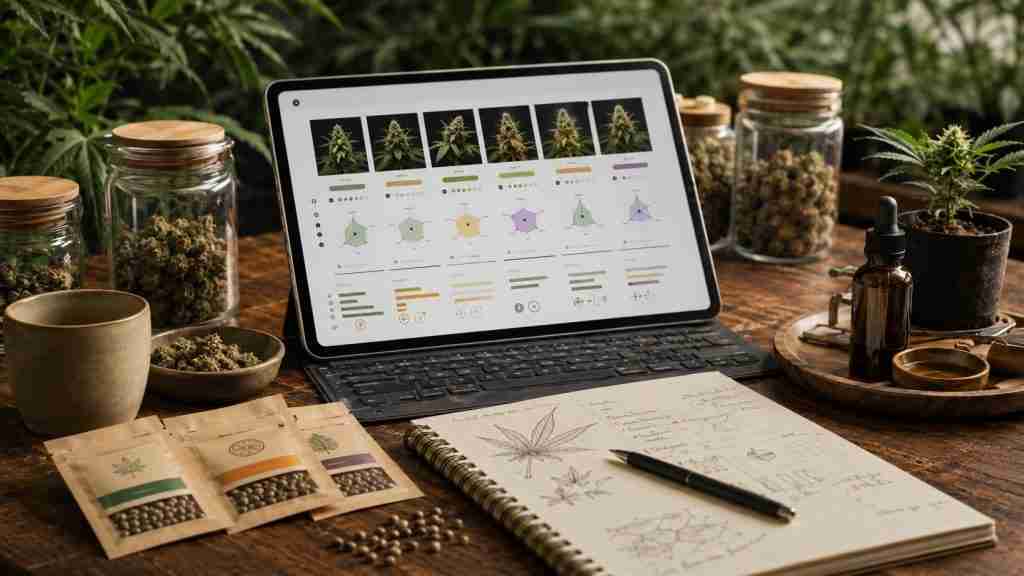
A strain description can tell you almost as much by what it leaves out as by what it includes. If the seller gives you a dramatic name and a giant CBD claim but no breeder, no lineage, no flowering window, and no idea of plant size, you do not have enough information for a confident first grow.
Be cautious with strains described as extremely sensitive, very tall, difficult to feed, or best suited only to experienced growers. Those may be excellent genetics, but there is no reason to make your first CBD grow a test of patience.
Also watch for unclear cannabinoid claims. CBD-rich genetics should come with some explanation of the intended CBD and THC profile. If the listing simply says “CBD” without a range or ratio, research the breeder version before buying.
Finally, avoid picking a strain only because it promises the largest yield. A slightly smaller, easier, more predictable plant is often a better first teacher.
How to Compare Beginner CBD Strains Before Buying
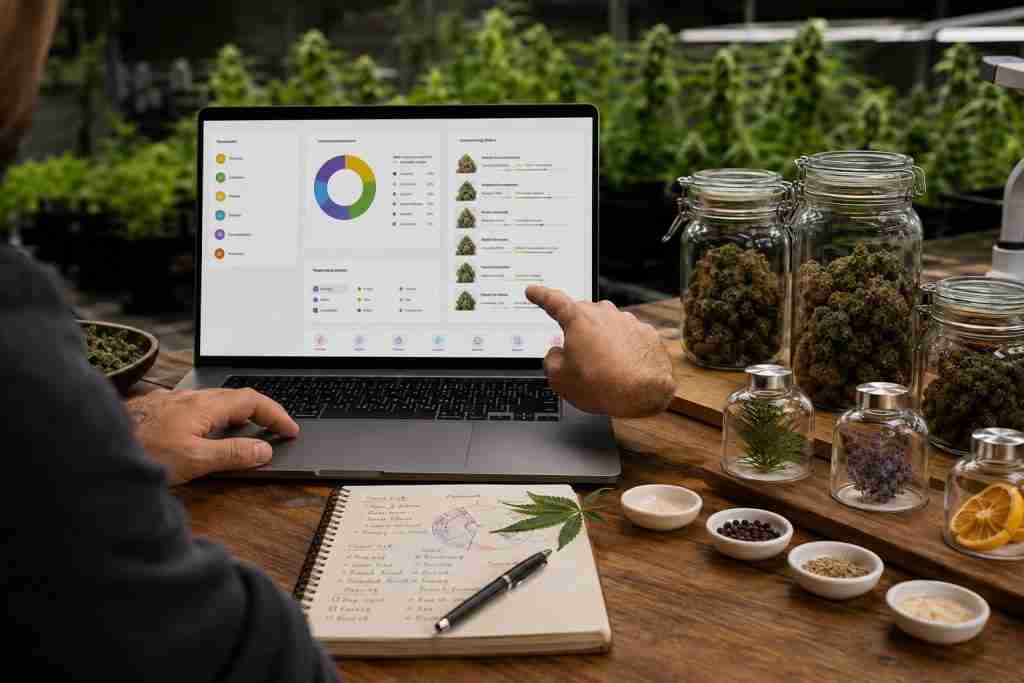
Create a shortlist and score each candidate from one to five for grow difficulty, size fit, flowering time, cannabinoid clarity, breeder information, and environmental suitability. This turns a vague choice into a practical decision.
If two strains score similarly, use aroma and terpene direction as the tie-breaker. You are more likely to enjoy the final result when you choose a profile that matches your preferences.
You can also compare whether the cultivar is available as an autoflower or photoperiod. Some beginners prefer the simple schedule of autos; others prefer the recovery time and control of photoperiod plants. Neither answer is universal.
Beginner CBD Strain FAQ
Should a beginner choose the highest-CBD strain? Not necessarily. Ease of growth, stability, plant size, and clear breeder information can matter more than chasing the highest percentage.
Are CBD autoflowers good for beginners? They can be, especially in small spaces or shorter seasons, but early mistakes matter because the plant cannot pause its life cycle.
Should a first-time grower use regular CBD seeds? Feminized seeds are usually simpler if the goal is flower, because regular seeds require sex identification and management of male plants.
How many strains should I compare? Three to five is enough to expose meaningful differences without turning the process into information overload.
How to Plan a First CBD Grow Around the Genetics
Once you have chosen a beginner-friendly strain, build the grow around what that cultivar is expected to do. Write down the breeder’s flowering window, expected height, seed type, and CBD-to-THC target before germination. That one page of notes gives you a reference point throughout the run.
If the strain is a photoperiod, decide roughly how large you want it before flowering. If it is an auto, plan the final container and early environment so you do not need to make unnecessary changes during its short vegetative period. If the cultivar is expected to stretch, leave more vertical room. If it is described as compact, think about how you will spread the canopy without overcomplicating the first grow.
Do not plan your first run around maximum yield. Plan it around completing the life cycle cleanly. A finished, healthy first CBD plant teaches more than an overambitious grow that becomes difficult to manage. Once you understand your environment, you can increase plant size, training, and complexity in later runs.
Keep notes. Record when the seed emerged, how quickly the plant developed, when flowering began, how much stretch occurred, and whether the breeder description matched reality. That information becomes your own grower database. If you grow the same genetics again, you will begin with experience instead of guesswork.
How Many Different CBD Strains Should a Beginner Grow at Once?
There is a strong argument for keeping the first run simple. Multiple strains can have different heights, feeding responses, flowering windows, and harvest dates. That makes one small room harder to manage. One or two compatible cultivars are easier to learn than five unrelated ones.
If you want variety, compare several strains before buying but grow only the best-matched options together. Look for similar flowering times and plant sizes. Your first grow should make it easy to recognize cause and effect.
What If the Strain You Like Is Rated Moderate Instead of Easy?
Moderate difficulty does not automatically mean you should avoid it. Read why it is considered more demanding. If the issue is simply height or training and your space can handle it, the strain may still be reasonable. If it is known for sensitivity, very long flowering, or difficult environmental requirements, an easier cultivar is a better first teacher.
The goal is not to avoid challenge forever. It is to learn the basics on genetics that give you enough room to succeed.
How to Judge Whether a CBD Strain Is Really “Easy”
Do not rely on a single difficulty label. Read the whole description. A strain may be called easy because it resists stress, but it may still grow very tall. Another may stay compact but need a longer flowering period. Beginner friendly is a combination of traits, not one badge.
Look for agreement across several signals: manageable size, ordinary feeding needs, clear flowering information, stable cannabinoid data, and breeder notes that make sense. If a strain has all of those, it is more likely to give a new grower a straightforward experience than a cultivar described only with marketing superlatives.
It also helps to choose genetics that fit the equipment you already own. A strain that works naturally in your tent, container size, and available season will feel easier because you are not constantly forcing the plant to adapt to the wrong environment.
Beginner CBD Strain Checklist
- Clear CBD and THC target
- Manageable plant size
- Reasonable flowering time
- Stable breeder information
- Seed type that fits your experience
- Good fit for indoor or outdoor conditions
- Terpene profile you actually enjoy
If a strain checks most of those boxes, it is usually a much better beginner choice than a cultivar selected only because it has a famous name.

Related CBD guides

CBD Cannabis Seeds for Outdoor Growing in Canada: What Genetics Should You Choose?
Choosing CBD cannabis seeds for outdoor growing in Canada starts with finish time, climate fit, plant structure, CBD ratio, and reliable genetics.

CBD Autoflower vs Photoperiod Seeds: Which Is Better for Your Grow?
CBD autoflower vs photoperiod seeds offer very different growing experiences. Compare speed, size, control, timing, and grow style before choosing.