How to Choose CBD Cannabis Seeds by CBD-to-THC Ratio
A practical guide to choosing CBD cannabis seeds by CBD-to-THC ratio, cannabinoid percentage, genetics, seed type, and grow traits.
Updated

Choosing a CBD strain is easier when you understand what the numbers actually mean. A seed listing may say 1:1, 2:1, 10:1, or simply “high CBD,” but those labels are not interchangeable. They describe different cannabinoid balances, and that balance can make a big difference in the kind of cultivar you are choosing.
That is why learning how to choose CBD Cannabis Seeds by CBD-to-THC Ratio is one of the most useful steps you can take before buying seeds. The ratio helps you understand how CBD and THC relate to one another, while the actual percentages tell you how much of each cannabinoid the breeder expects the plant to produce. You need both pieces of information to make a sensible comparison.
This guide explains CBD-to-THC ratios in plain English, how to compare balanced and CBD-dominant genetics, what breeder stability means, and how to keep ordinary grow traits in the decision. If you are also deciding whether CBD genetics are the right direction at all, read our CBD cannabis seeds vs high-THC seeds guide after this one.
Why CBD-to-THC Ratio Matters When Choosing Seeds

A ratio gives you context that one cannabinoid percentage cannot provide by itself. If a strain is described as 1:1, the breeder is telling you that the CBD and THC levels are expected to be relatively balanced. A 10:1 description means CBD is expected to be much more dominant relative to THC. That basic relationship is useful because it helps you separate balanced cultivars from strongly CBD-dominant ones.
For growers, this matters at the seed-selection stage because the cannabinoid profile is largely driven by genetics. You cannot take a THC-dominant cultivar and turn it into a high-CBD cultivar simply by changing nutrients, lights, or harvest timing. Environment affects expression, but the genetic direction comes first.
The ratio also helps you avoid a common buying mistake: seeing “CBD” in the strain name and assuming the plant will contain almost no THC. Some CBD lines are intentionally balanced and can still contain meaningful THC. Others are bred toward a much stronger CBD dominance. Those are very different products even though both can honestly be called CBD strains.
So when you compare seeds, treat the ratio as one of the first filters. It quickly tells you whether the cultivar is balanced, moderately CBD dominant, or strongly CBD dominant.
What a 1:1 CBD-to-THC Ratio Really Means
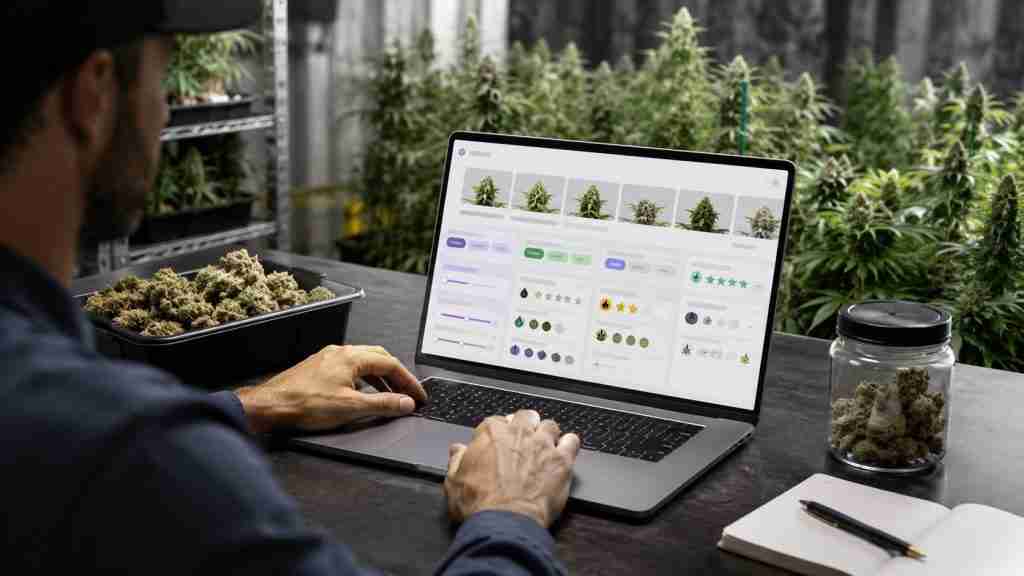
A 1:1 strain is intended to produce roughly comparable amounts of CBD and THC. That does not mean every plant will test at exactly the same number, and it does not mean a listing such as “10% CBD and 10% THC” is guaranteed in every environment. Seeds produce individual plants, and cannabinoid expression can vary from phenotype to phenotype.
What the 1:1 label does tell you is the breeder’s intended chemotype. Compared with a strongly THC-dominant cultivar, a balanced line gives CBD a much larger role in the cannabinoid profile. Compared with a 20:1 CBD-dominant line, however, a 1:1 cultivar still contains a substantial THC component.
This distinction is important when you are deciding what you want from the garden. Some growers specifically want balanced genetics because they like having both cannabinoids represented. Others are trying to reduce the relative amount of THC and should look beyond 1:1 toward more CBD-dominant ratios.
Do not assume the phrase “balanced” means weak. A 1:1 strain could theoretically be 5% CBD and 5% THC, or it could be considerably higher in both. The ratio describes the relationship; the percentages describe the expected concentration.
How High-CBD, Low-THC Ratios Differ
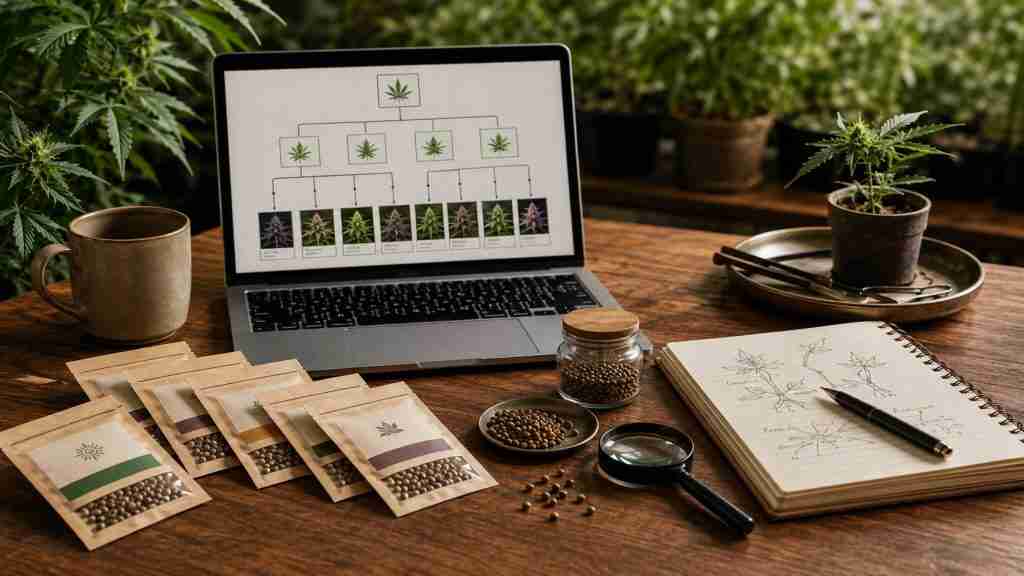
As the CBD side of the ratio increases, the strain becomes more CBD dominant relative to THC. You may see seed listings described as 2:1, 5:1, 10:1, 20:1, or even higher. These labels are useful, but you should always check the expected CBD and THC percentages as well.
For example, a 20:1 description sounds very specific, but the actual numbers could vary. A breeder might be describing a line expected to produce around 12% CBD and 0.6% THC, while another cultivar could express different absolute values and still fall near the same ratio. The ratio alone does not tell you potency.
These CBD-dominant lines are generally the direction to investigate when minimizing THC relative to CBD is one of your main goals. However, “low THC” is not the same as “zero THC.” If a legal threshold matters where you live, you need accurate breeder information and, where required, testing rather than relying on a strain name or marketing phrase.
That is especially important because cannabis laws and hemp definitions vary between jurisdictions. Use seed descriptions for selection, but check the rules that apply where you live before growing.
CBD-to-THC Ratio vs CBD Percentage: Do Not Confuse Them
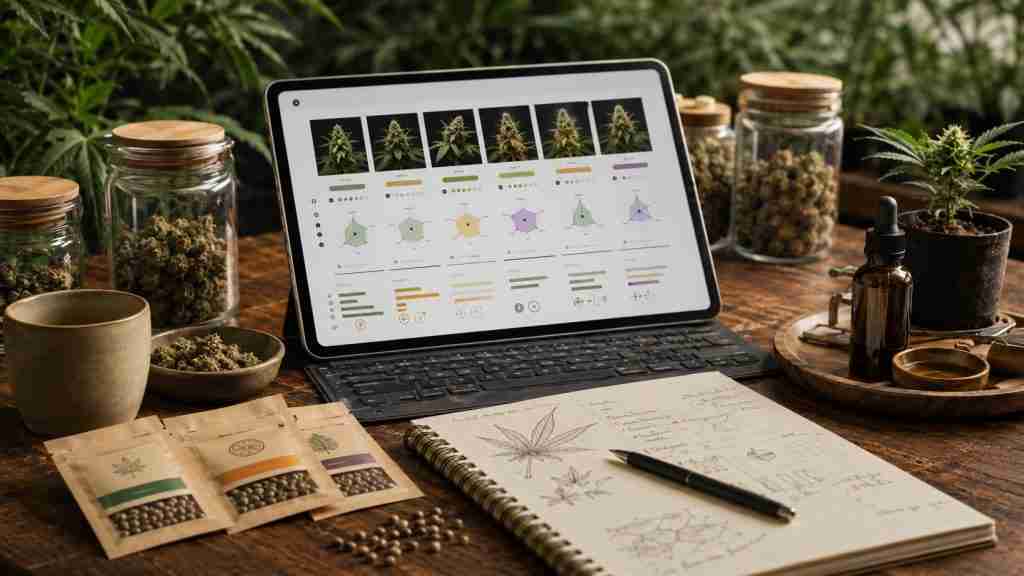
This is one of the easiest mistakes to make when shopping. Ratio and percentage answer different questions.
The CBD percentage estimates how much CBD the finished flower may contain. The CBD-to-THC ratio tells you how much CBD is present relative to THC. A strain can have a high ratio without having an unusually high absolute CBD percentage if its THC level is extremely low.
Imagine one strain is listed at 10% CBD and 10% THC. That is about 1:1. Another is listed at 10% CBD and 0.5% THC. That is about 20:1. The CBD percentage is the same in this simple example, but the relationship to THC is completely different.
That is why you should compare at least three fields when possible: expected CBD percentage, expected THC percentage, and the stated ratio. If one of those is missing, you have less information to work with.
Good seed research is about avoiding shortcuts. A giant “20:1” label may be useful, but you still want to know the actual range behind it.
Match the Ratio to What You Actually Want

There is no universal best CBD-to-THC ratio. The right direction depends on why you want CBD genetics in the first place. Some people are interested in a balanced cannabinoid profile. Others specifically want CBD to dominate while keeping THC comparatively low. Still others simply want a different type of cultivar in the garden beside their THC-dominant plants.
A simple way to narrow the search is to think in three broad groups:
- Balanced ratios such as 1:1: suited to growers intentionally seeking meaningful CBD and THC together.
- Moderately CBD-dominant ratios: useful when you want CBD to lead while THC remains part of the profile.
- Strongly CBD-dominant ratios: the direction to research when keeping THC relatively low is a major priority.
Your choice should also reflect your own tolerance and preferences. Cannabinoid response varies from person to person, and seed descriptions cannot predict an individual’s experience with certainty. Treat the profile as a selection tool, not a promise.
If you are still deciding whether a CBD-dominant or THC-dominant plant makes more sense, compare the broader tradeoffs in our CBD vs high-THC seed guide.
Genetics, Breeder Stability, and Phenotype Variation
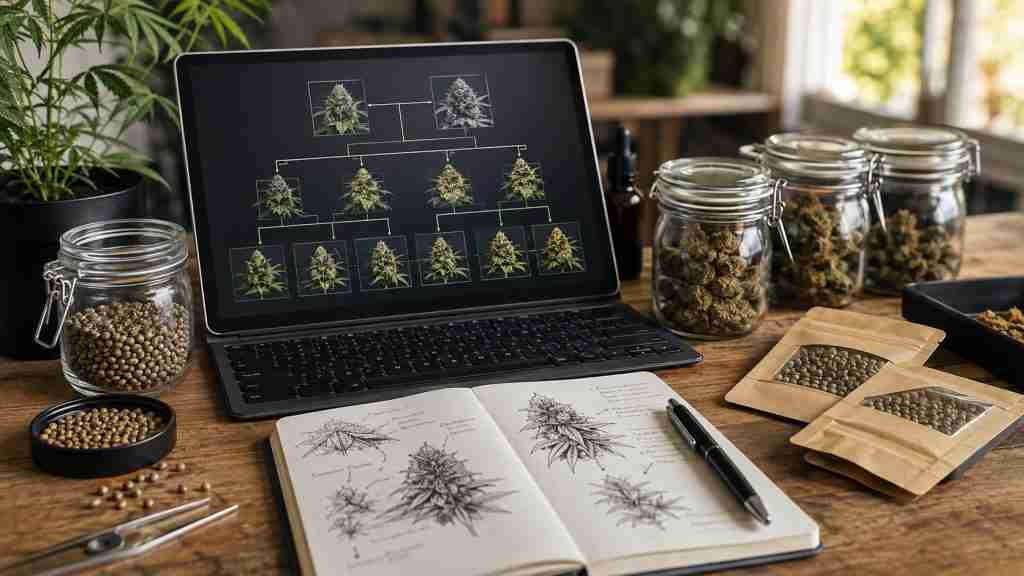
When cannabinoid ratio matters, breeder quality becomes even more important. Seeds are living genetics. Individual plants can differ, and poorly stabilized lines may show wider variation than you expected.
Look for breeders that provide useful information rather than vague claims. A stronger listing will usually give expected CBD and THC ranges, indicate whether the cultivar is balanced or CBD dominant, describe the seed type, and provide enough genetic background for you to understand what you are buying.
Repeated testing across a line is more useful than one impressive number from one plant. If a breeder only shows a single result without describing expected variation, take the claim as a reference point rather than a guarantee.
Lineage can help too. When breeders have repeatedly worked CBD-rich parents into a line, that gives you more context than a strain name with no explanation behind it. Stable genetics do not eliminate variation, but they make the target much clearer.
This is also where preserving your own notes becomes valuable. If you grow several seeds from the same pack, record which plants best match the structure, aroma, and cannabinoid goals you were looking for.
Do Not Forget Seed Type and Normal Grow Traits
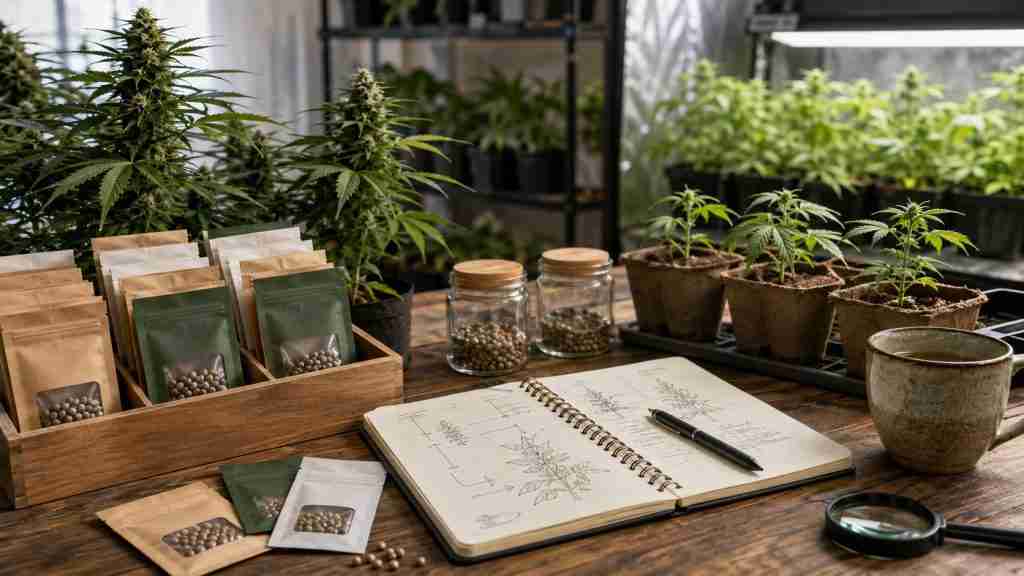
Cannabinoid ratio is important, but it should never be your only filter. Once you find CBD profiles that interest you, compare the ordinary cultivation traits too.
Check whether the seeds are feminized, regular, or autoflower. Look at expected flowering time, plant height, indoor or outdoor suitability, yield potential, climate preference, and grow difficulty. A perfect cannabinoid profile is not much help if the plant is a poor fit for your actual space or season.
For example, an outdoor grower in a shorter season may care deeply about finish time. An indoor grower with limited height should pay attention to stretch and final size. A beginner may value resilience and simplicity more than maximum yield.
You can also use aroma and terpene direction as a final tie-breaker. If two CBD strains have similar ratios, their terpene profiles may make one far more appealing to you. Our guide to terpenes in CBD cannabis strains explains how to compare those profiles without treating terpenes as magic.
How to Read CBD Seed Claims Without Overtrusting One Number

Seed descriptions are useful, but they are still summaries of a living genetic line. A clean-looking number such as “20% CBD” or “30:1” can make a listing feel more exact than seeds really are. The best way to use those numbers is as a target range or breeding direction rather than a promise that every plant will finish at the same chemistry.
Look for context around the headline. Does the breeder give a CBD range and a THC range? Do they identify whether the figures came from multiple plants or one selected example? Is the ratio described consistently across several generations or phenotypes? Even a short note about variation is often more useful than a single spectacular result.
Also pay attention to language. “Up to” is different from “average,” and “potential” is different from “typical.” A breeder that says a plant can reach 20% CBD is not necessarily saying most plants will do so. When ratio matters to you, conservative, well-explained data is more valuable than the biggest number on the page.
Use the cannabinoid claim as one piece of evidence alongside lineage, breeder reputation, seed type, and grow data. That creates a much more realistic expectation before germination.
Why Post-Harvest Testing Can Matter for Ratio-Focused Growers

If you simply want to grow a CBD-rich cultivar for personal preference, breeder data may be enough to help you choose among seeds. If you need to know the actual CBD and THC content of the flower you produced, however, only testing the finished material can answer that question with confidence.
That is because seeds create individual plants and cannabinoid expression can vary. Environment, phenotype, harvest maturity, and post-harvest handling can influence the final numbers within the limits set by genetics. A seed pack can tell you the target. It cannot function as a laboratory result for your particular harvest.
This distinction becomes especially important whenever a legal or regulatory THC threshold matters. Do not assume a strain marketed as “CBD,” “hemp-like,” or “low THC” automatically meets a specific legal definition in your jurisdiction. Regulations can depend on measured THC content, approved cultivars, licensing, and other local rules.
For ordinary seed selection, start with good genetics. For situations where exact chemistry matters, pair good genetics with appropriate testing. That is the most reliable way to move from a breeder’s expected ratio to the actual cannabinoid profile in your own harvest.
CBD Seed Ratio Checklist
- What CBD percentage does the breeder expect?
- What THC percentage does the breeder expect?
- What CBD-to-THC ratio is the line intended to produce?
- Is the line balanced or strongly CBD dominant?
- Does the breeder describe phenotype variation or testing?
- Does the seed type fit the way you want to grow?
- Do flowering time, size, and difficulty fit your environment?
If you use that checklist, choosing CBD seeds becomes much less confusing. The goal is not to chase the biggest ratio on the page. The goal is to choose genetics whose cannabinoid balance and grow traits actually match what you want.

Related CBD guides

How to Read a CBD Hemp Seed COA: Lot Numbers, Total THC, and What the PDF Does Not Prove
How to read a CBD hemp seed COA: match the lot, tell seed tests from flower tests, convert CBDA/THCA, and spot reused lab PDFs. Not medical advice.

Best Terpenes in CBD Cannabis Strains: What Growers Should Look For
A practical guide to the major terpenes found in CBD cannabis strains and how growers can use aroma, flavor, genetics, and grow traits to compare seeds.

CBD Cannabis Seeds vs High-THC Seeds: Which Is Right for You?
A practical comparison of CBD cannabis seeds and high-THC seeds, including cannabinoid goals, cultivation traits, seed types, and balanced options.