How to Find CBD Strains at Find My Seeds
Learn how to find CBD strains at Find My Seeds using CBD filters, strain profiles, comparisons, terpenes, genetics, and grow traits to build a better shortlist.

If you are trying to find a CBD-rich cannabis strain, the hardest part is often not finding a strain name. The hard part is figuring out which strain actually fits what you want. Some strains are strongly CBD-dominant, some sit closer to a balanced CBD-to-THC ratio, and others may carry only modest CBD even though the name or description sounds wellness-focused.
That is why using a large strain database can make the process much easier. Instead of bouncing from one breeder page to another, you can use Find My Seeds to search, filter, and compare strains in one place. When you combine that with the CBD education here on BuyCBDCannabis.com, you get a much better way to build a shortlist before you decide which genetics deserve more research.
This guide shows you how to find CBD strains at Find My Seeds, what information to pay attention to, and how to avoid making a decision based on CBD percentage alone. I will also show you where our other CBD guides fit into the process so you can move from broad research to a much more confident choice.
Know What Kind of CBD Strain You Are Looking For

Before you open any strain finder, decide what you mean by a “CBD strain.” That phrase can cover several very different types of genetics. One person may want a CBD-dominant cultivar with very little THC. Another may want a more balanced 1:1 style profile. Someone else may simply want more CBD than they would normally find in a high-THC cultivar.
This matters because your search filters should follow your goal. If you want a gentle, CBD-forward profile, you may prioritize strains with higher CBD and lower THC. If you want balance, you may be more interested in strains where the two cannabinoids sit closer together. If you are still learning the difference, read our guide to choosing CBD cannabis seeds by CBD-to-THC ratio before you build your shortlist.
It also helps to think about what kind of experience you want. Are you looking for something more functional during the day? Something calmer in the evening? A strain with a certain aroma or terpene direction? A cultivar that is easier to grow indoors? Those questions give the search a purpose.
The more specific your goal becomes, the more useful the database becomes. You are no longer asking, “What are some CBD strains?” You are asking, “Which CBD strain fits me best?”
Use Find My Seeds to Narrow the Search by CBD Level
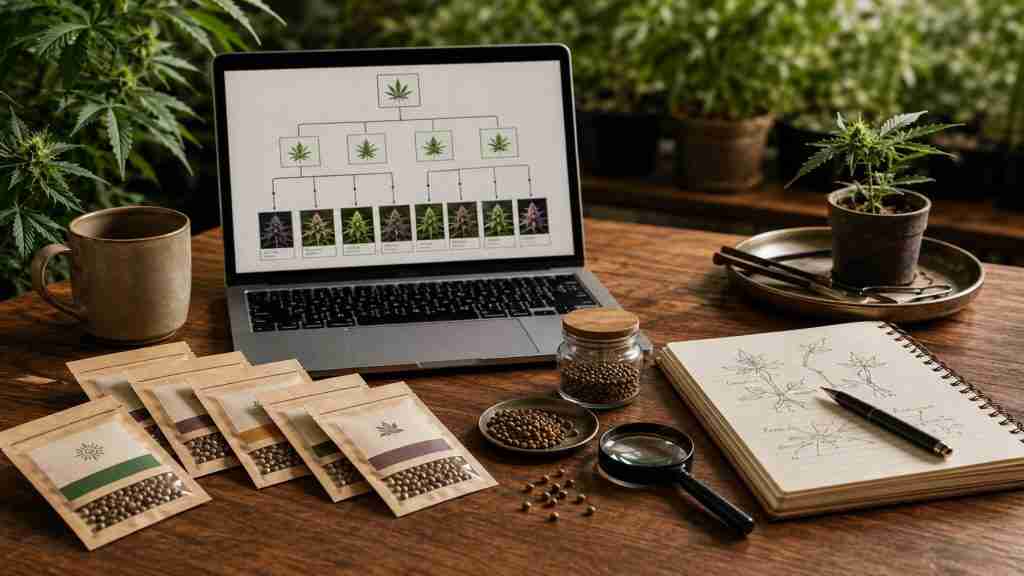
Once you know the type of profile you want, open the Find My Seeds Strain Finder. The purpose of a finder is to take a large strain database and narrow it down using the traits that matter to you. For CBD research, the cannabinoid filters are the obvious place to begin.
Start by setting a minimum CBD level that makes sense for your goal. Then look at the THC side as well. This is important because two strains can both be described as CBD-rich while having very different THC profiles. One may lean much more strongly toward CBD, while another may be closer to a balanced cannabinoid ratio.
Do not treat one number as a guarantee. Published strain values often reflect ranges, reported breeder information, or aggregated data, and plants can vary. Use the numbers as a screening tool. Their job is to help you eliminate poor matches and bring the most relevant strains to the top of the list.
If you are still deciding between CBD-focused and high-THC genetics, our CBD cannabis seeds vs high-THC seeds guide can help you decide which direction makes more sense before you spend too much time filtering.
Open the Full Strain Profile Before You Make a Decision
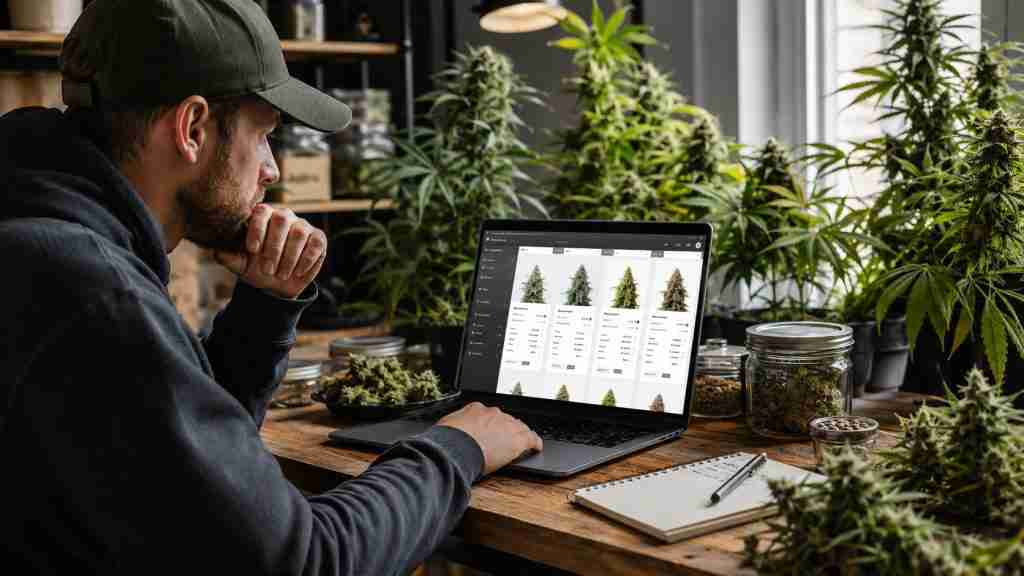
A filter result is only the beginning. Once a CBD strain looks interesting, open its full profile and read the details. This is where you start separating strains that merely match one filter from strains that actually deserve a place on your shortlist.
Check the reported CBD and THC values first, then move beyond them. Look at the overall type, the effects associated with the strain, the aroma and flavor information, the terpene profile when available, and the genetics. If grow information is listed, check that too.
This step matters because a strain is a complete plant, not a CBD percentage. A cultivar with a promising CBD level may still be a poor choice if the flowering time does not fit your season, the plant gets too large for your indoor space, or the effect profile is not what you wanted.
You can also browse the main Find My Seeds strain database when you want to explore strain names directly instead of beginning with filters. I like using both approaches: filter first when I have a clear goal, then browse profiles when I want to learn more.
Compare CBD Strains Side by Side
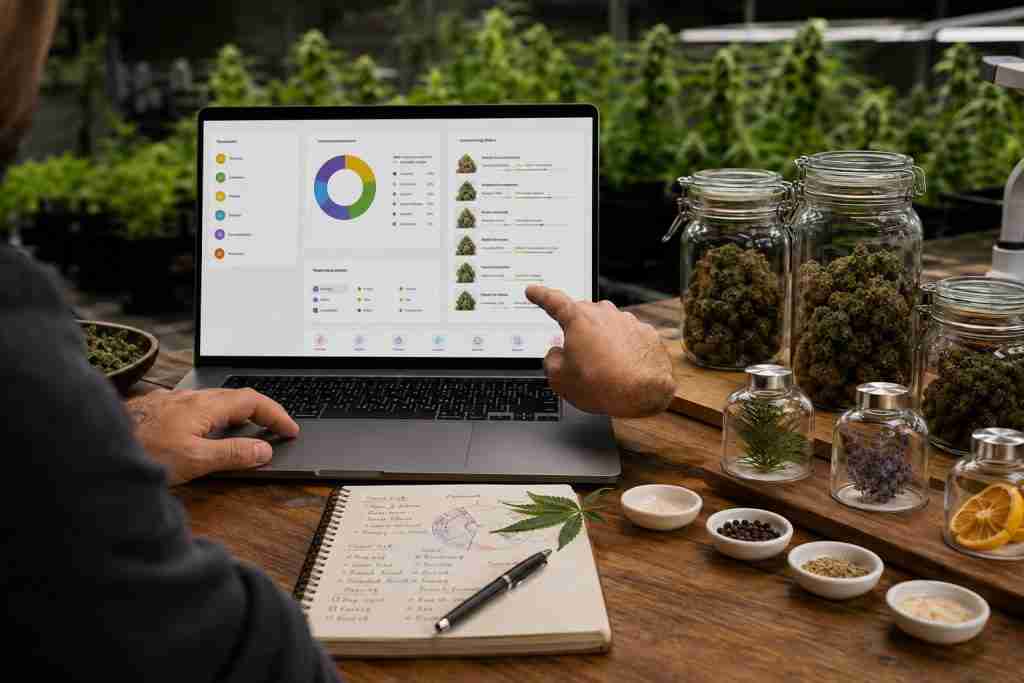
If you narrow the search down to two or three strong candidates, do not try to keep every detail in your head. Use the Find My Seeds Compare Strains tool and place them beside each other.
This is where differences become much easier to see. One CBD strain may have a higher reported CBD level but a longer flowering time. Another may have slightly less CBD but a terpene profile you prefer. A third may have better grow traits for your climate or indoor room. Side-by-side comparison makes those tradeoffs obvious.
Compare the practical traits as well as the chemistry:
- CBD and THC levels or ranges
- strain type and indica/sativa lean
- reported effects
- terpenes and flavors
- parent genetics
- flowering time
- grow difficulty
- indoor, outdoor, or greenhouse suitability
A good comparison is not about finding the strain with the biggest number. It is about finding the strain with the best overall fit.
As you compare, keep your own priorities in order. If CBD level is your first priority, rank that first. If you need a short flowering window, do not let a slightly higher CBD number talk you into a strain that does not fit your season. If aroma and flavor matter heavily to you, keep those traits visible too. A comparison tool works best when you decide what matters before you look at the winner.
Look at Terpenes and Reported Effects Alongside CBD
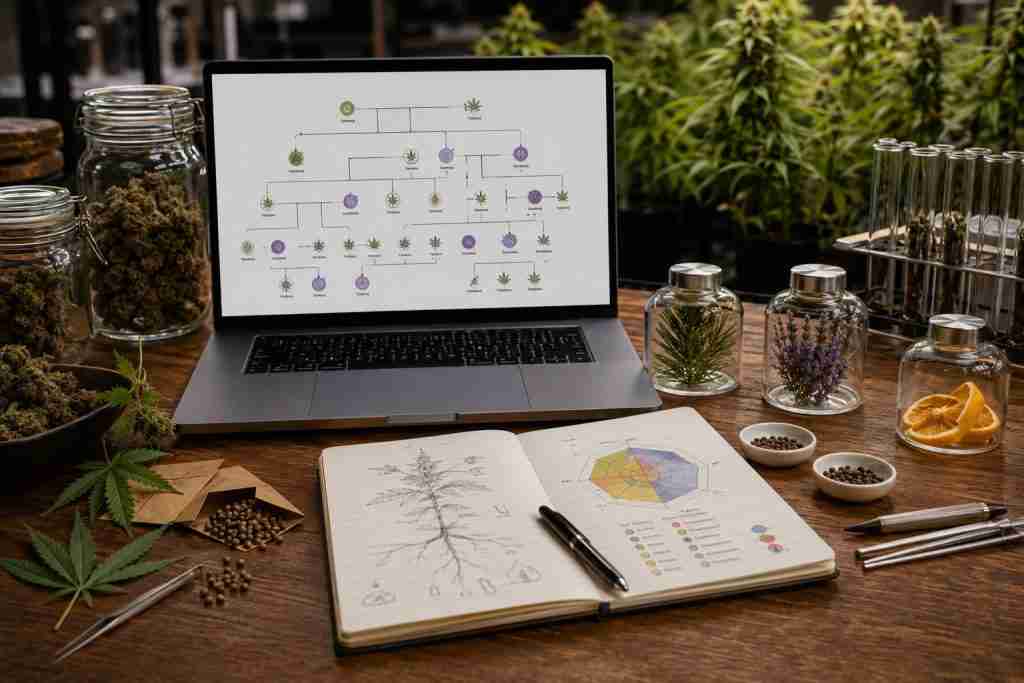
CBD is important, but it does not explain the entire strain experience. That is why terpene and effect information deserves a place in your search. Two CBD-rich strains can have very different aroma, flavor, and reported effect profiles.
For example, a strain with a citrus-forward terpene direction may appeal to someone looking for a brighter profile, while a strain with earthy, floral, or spicy terpenes may fit someone else better. The goal is not to assume a terpene guarantees one exact effect. The goal is to use terpene information as another useful layer when comparing CBD strains.
If terpene data is one of your priorities, read our guide to the best terpenes in CBD cannabis strains. Then return to Find My Seeds and use that knowledge while you inspect the strain profiles.
This is one of the biggest advantages of combining a research database with educational content. The database gives you options. The education helps you understand what those options mean.
It also helps to keep notes as you research. Write down the strains that catch your attention, what their reported CBD and THC levels are, which terpenes stand out, and what makes each one interesting. After five or ten profiles, those notes make patterns much easier to see. You may notice that the strains you keep saving share the same terpene family, breeder, flowering window, or cannabinoid ratio. That pattern can point you toward the type of CBD genetics you actually prefer.
Check Genetics, Breeder Information, and Lineage
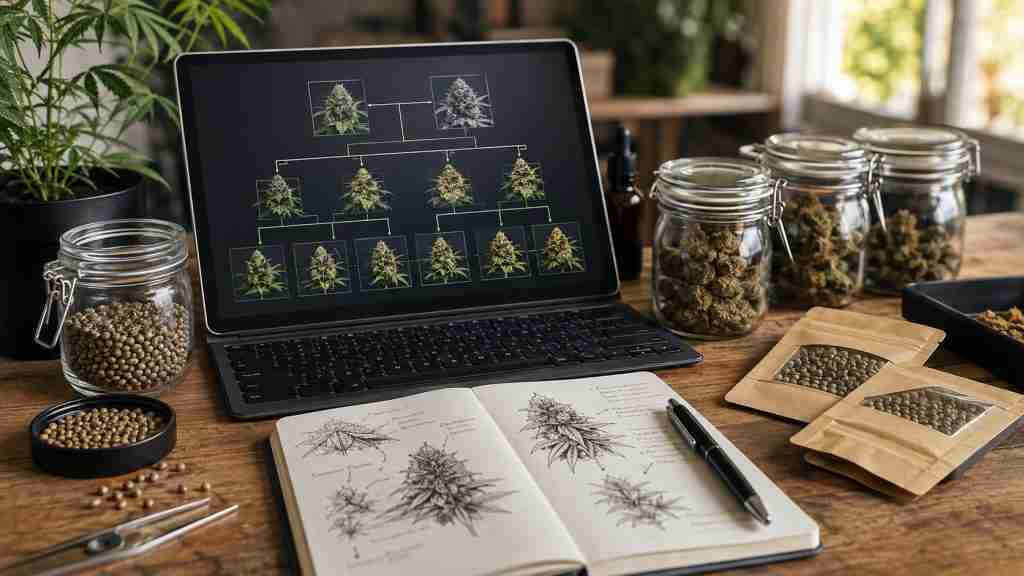
CBD numbers are useful, but genetics tell you where the strain came from. When breeder and lineage information is available, use it. A named CBD cultivar may exist in more than one breeder’s catalog, and different versions may not be identical.
Open the breeder information when you want more context, or explore the Find My Seeds breeder directory to see how different breeders and catalogs are represented. Parent genetics can also help you understand why a strain carries certain traits and whether related strains might interest you.
This is especially helpful if you find one CBD strain that looks close to what you want but not perfect. Its parents, related strains, or breeder catalog may lead you to another candidate that fits better.
For serious strain research, lineage is one of the best ways to move beyond surface-level names. It helps you understand relationships instead of treating every strain as an isolated entry.
Do Not Forget Flowering Time and Grow Difficulty
It is easy to get so focused on CBD that you forget you still need to grow the plant. If you are researching seeds, flowering time, plant size, cultivation environment, and difficulty can matter just as much as the cannabinoid profile.
A CBD-rich strain that takes too long for your outdoor season may be the wrong choice. A plant that stretches heavily may not suit a short tent. A strain described as difficult may not be ideal if this is your first grow. The chemistry can be perfect and the grow fit can still be wrong.
That is why I recommend a two-stage process. First, narrow strains by the CBD profile you want. Second, eliminate the strains that do not fit your real growing conditions. This keeps you from falling in love with a strain on paper only to discover that it creates problems in your garden.
The best CBD strain is not simply the one with the most CBD. It is the one that fits your goals and your grow.
Use BuyCBDCannabis.com Guides With Find My Seeds Research
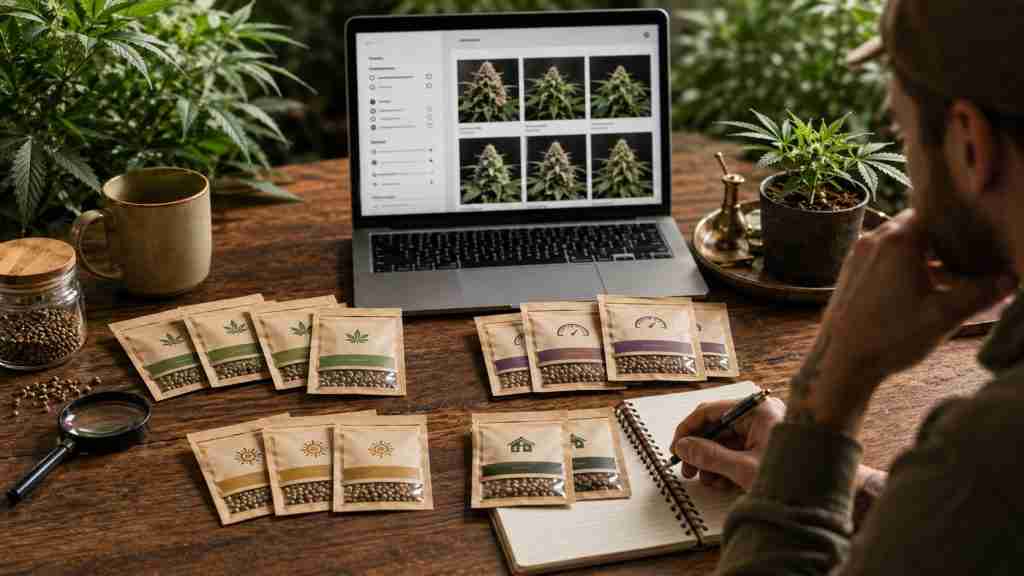
Find My Seeds works best as the research and comparison side of the process. BuyCBDCannabis.com can help with the education side. When you use both, you can make the search much more deliberate.
If you are confused about ratios, start with our CBD-to-THC ratio guide. If you are deciding whether CBD-focused genetics are right for you at all, use the CBD seeds vs high-THC seeds comparison. If flavor and aromatic profile matter, read our CBD terpene guide.
Then take what you learned and apply it at FindMySeeds.com. Search, filter, open profiles, compare the strongest candidates, and keep narrowing until you have a shortlist that makes sense.
This is a much better approach than buying the first CBD seed pack that sounds appealing. You are using education to define the goal and data to find the match.
Build a Better CBD Strain Shortlist Before You Choose Seeds

By the time you finish the process, you should have a small group of strains instead of a huge list. That is exactly what you want. A good shortlist makes the final decision manageable.
Before choosing, ask yourself:
- Does the CBD-to-THC balance match what I wanted?
- Do the reported effects fit my goal?
- Do I like the terpene and flavor direction?
- Do the genetics and breeder information give me confidence?
- Will the plant fit my indoor or outdoor environment?
- Is the flowering time realistic?
- Have I compared my finalists side by side?
If a strain keeps checking the right boxes, it is probably a much stronger candidate than one you chose because of a name or a single CBD number.
That is the real advantage of using Find My Seeds for CBD strain research. It gives you a structured way to turn a huge strain database into a smaller list that actually reflects your preferences.
Quick Links for Finding CBD Strains
- Find My Seeds Strain Finder
- Browse the Find My Seeds Strain Database
- Compare Strains Side by Side
- Explore Cannabis Breeders
- How to Choose CBD Cannabis Seeds by CBD-to-THC Ratio
- CBD Cannabis Seeds vs High-THC Seeds
- Best Terpenes in CBD Cannabis Strains
Final Thought
Finding a good CBD strain should not be a guessing game. Define the cannabinoid profile you want, use Find My Seeds to narrow and compare your options, and use the CBD guides here to understand what the data means. That combination gives you a much better way to find genetics that actually fit you.
