CBD Autoflower vs Photoperiod Seeds: Which Is Better for Your Grow?
CBD autoflower vs photoperiod seeds offer very different growing experiences. Compare speed, size, control, timing, and grow style before choosing.

If you are shopping for CBD genetics, one of the first choices you will run into is CBD autoflower vs photoperiod seeds. Both can produce useful CBD-rich plants, but they do not grow on the same schedule and they do not give you the same level of control. Choosing the wrong type can make a simple grow feel harder than it needs to be.
The best choice depends on your space, season, experience, and what you want from the grow. Autoflowers are attractive because they move quickly and stay relatively compact. Photoperiod plants are attractive because you control when flowering begins and usually have more time to shape the plant before bloom. Neither is automatically better.
Before you choose, it also helps to understand the cannabinoid target you want. If you have not already done that, read our guide to choosing CBD cannabis seeds by CBD-to-THC ratio. Then use this guide to decide which life cycle fits your garden.
What Is the Main Difference Between CBD Autoflower and Photoperiod Seeds?

The difference is how flowering is triggered. Autoflower genetics begin flowering according to age. Photoperiod genetics begin flowering when the light cycle gives the plant a long enough dark period. That single difference affects almost every part of the grow.
With an autoflower, the clock starts as soon as the seedling begins growing. You cannot keep the plant in vegetative growth indefinitely. That makes the schedule simple, but it also means early stress matters more because the plant does not wait for you to recover it before moving forward.
With a photoperiod CBD strain, you have more control over the vegetative period indoors. You can let the plant develop longer, train it, correct mistakes, and then change the light schedule when you are ready to flower. Outdoors, the seasonal change in day length handles that transition for you.
So the real comparison is not simply “fast versus slow.” It is automatic timing versus grower-controlled timing.
Compare Speed and Harvest Timing
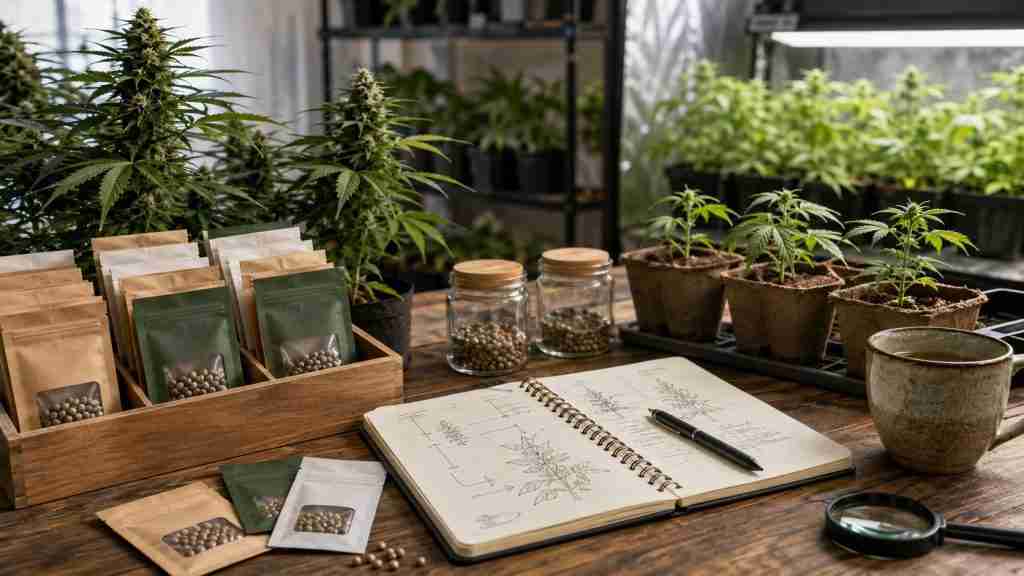
Speed is the strongest reason many people choose CBD autoflowers. A well-bred auto can move from seed to harvest on a compact schedule, making it useful when you want a quick turnaround or when the outdoor season is limited.
Photoperiod CBD plants usually require more calendar time because they have a separate vegetative period before flowering. Indoors, that can be an advantage because you choose how long to keep them growing before bloom. Outdoors, it means you need genetics that finish comfortably within your local season.
If your priority is simplicity and speed, an autoflower often wins. If your priority is control, flexibility, or building a larger plant before bloom, photoperiod genetics usually make more sense.
Do not compare package claims blindly. Look at breeder-reported flowering or seed-to-harvest windows, then compare those numbers with your real schedule.
Compare Plant Size and Space Requirements
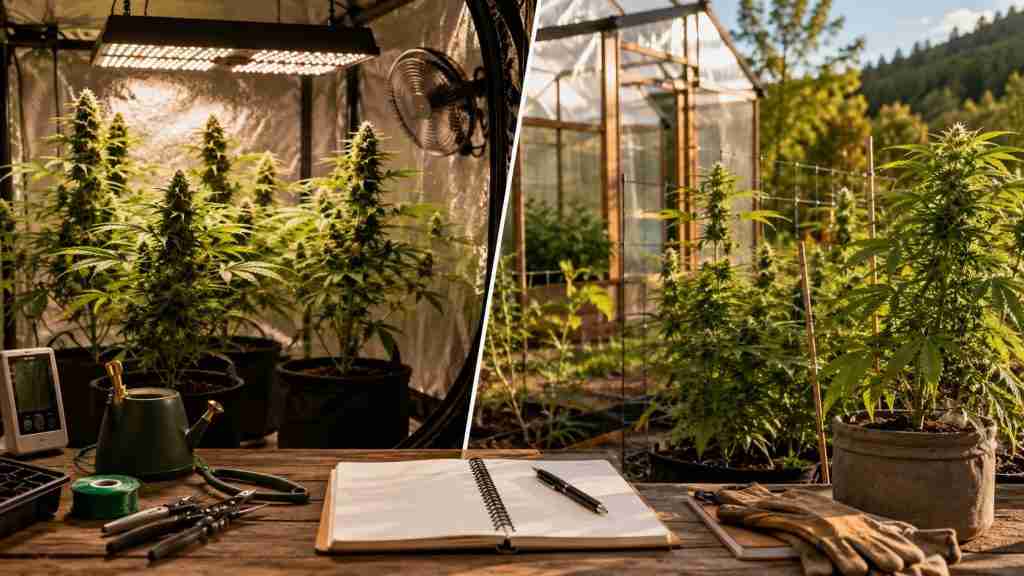
Autoflowers are often popular in small spaces because their shorter life cycle tends to keep them more compact. That does not mean every auto stays tiny, but many fit tents, balconies, greenhouses, and discreet garden spaces more easily than vigorous full-season photoperiod plants.
Photoperiod plants can be kept small indoors by shortening the vegetative period, but they can also become much larger if you let them. That flexibility is valuable when you have enough room and want to build a bigger canopy.
For a small tent, ask whether the breeder reports strong stretch. For outdoor gardens, ask whether a large photoperiod plant is actually desirable or whether a compact auto would fit the site better. Choosing by space first is usually smarter than choosing by strain name first.
Compare Control, Training, and Recovery Time
Photoperiod plants usually give a newer grower more time to correct mistakes. If growth slows, you can extend the vegetative period before flowering indoors. You also have more freedom to top, train, shape, and recover the plant before you ask it to flower.
Autoflowers require a lighter touch. Because their life cycle keeps moving, heavy stress early in growth can permanently reduce final plant size. Many growers still train autos successfully, but timing matters more.
If you enjoy plant training and want maximum control over structure, photoperiod seeds are usually the better learning platform. If you want a simpler schedule and prefer minimal intervention, autos can be attractive.
Which Type Makes More Sense Outdoors?

Outdoor CBD growing is where the comparison becomes especially practical. Autoflowers can finish earlier in the season and can sometimes fit more than one cycle into a long enough summer. That can help when late-season cold, rain, or humidity is a concern.
Photoperiod plants can become much larger outdoors and may produce a bigger individual plant, but they depend on seasonal light changes and the cultivar must finish in time for your region. A long-flowering line can be a poor fit for a short autumn.
If outdoor growing is your main goal, compare the breeder’s finish window, plant structure, and mold-resistance notes before deciding. The best CBD genetics are the ones that actually finish where you live.
Compare Yield Potential and Consistency
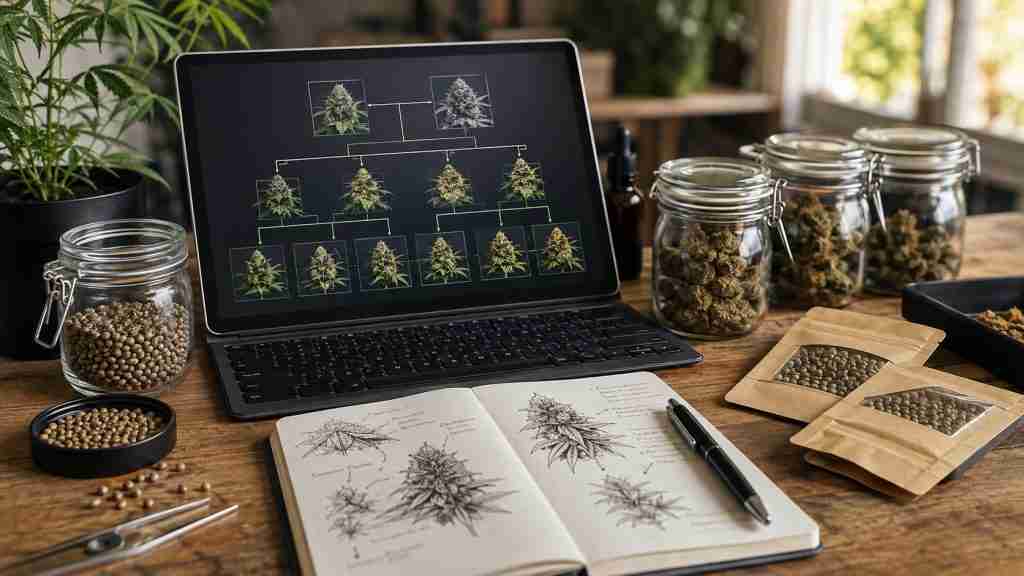
It is tempting to assume photoperiod always means higher yield and auto always means lower yield. Real results are more complicated. A large, well-managed photoperiod plant has more time to build biomass, so it has greater size potential. But a fast, healthy auto can produce an excellent harvest relative to its size and time commitment.
Consistency matters just as much as yield. Look for breeder descriptions that explain the intended CBD profile, plant size, flowering window, and stability. When CBD is your reason for growing the plant, predictable cannabinoid expression matters more than chasing the largest possible plant.
You can also use our CBD terpene guide to compare aroma and terpene direction after you have narrowed the seed type.
Which One Should You Choose?

Choose a CBD autoflower if you value speed, compact size, simple light management, or earlier outdoor harvests. Choose a CBD photoperiod if you value control, training flexibility, cloning, longer vegetative growth, or the ability to build a larger plant.
If you are still unsure, make a shortlist of three strains and compare them by CBD ratio, seed type, finish time, size, and difficulty. Our guide on finding CBD strains with Find My Seeds can help you research candidates, and you can browse additional strain data at FindMySeeds.com.
Common Mistakes When Choosing Between CBD Autos and Photoperiods
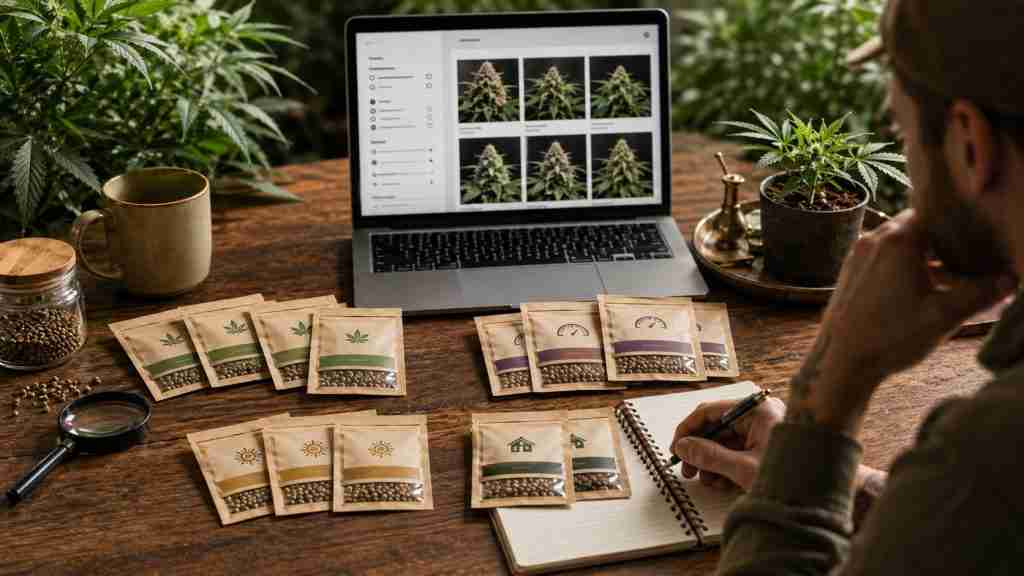
The biggest mistake is treating seed type like a quality rating. Autoflower does not mean easier in every situation, and photoperiod does not mean better in every situation. They are different tools. Choose based on the grow you actually plan to run.
Another mistake is comparing only harvest speed. A fast auto may be perfect for a small outdoor window, but a photoperiod may give you more control indoors. Likewise, a photoperiod may have more size potential, but that does not help if your tent cannot hold it or your outdoor season is too short.
New growers also underestimate recovery time. An autoflower that is stressed early may continue toward flowering before it has fully regained momentum. A photoperiod gives you more opportunity to wait. That difference should matter if you are still learning watering, transplanting, and environmental control.
Finally, do not assume the cannabinoid profile is identical just because two packs use the same strain name. Compare breeder, CBD range, THC range, lineage, and seed type. The best seed is the one whose entire profile matches your goal.
How to Compare CBD Autos and Photoperiods Before You Buy
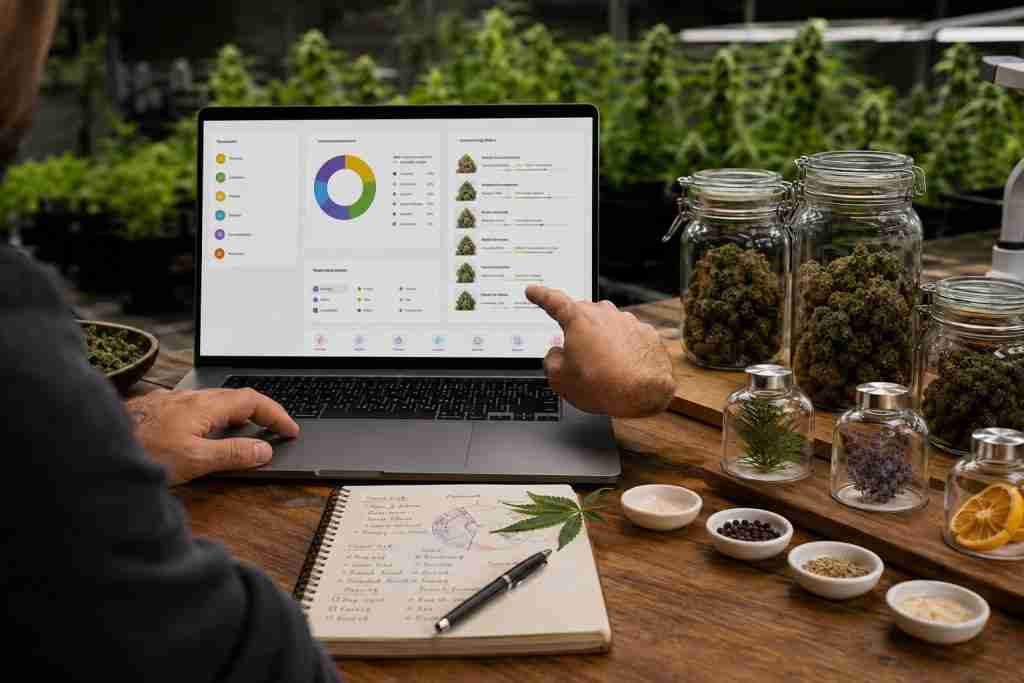
Build a simple comparison table. Put the strain names across the top and compare seed-to-harvest time, flowering time, expected height, CBD-to-THC target, breeder, grow difficulty, indoor suitability, outdoor suitability, and terpene direction. This quickly exposes which strain actually fits.
Then rank your priorities. If speed is number one, give more weight to total cycle time. If you want clones or heavy training, give more weight to photoperiod control. If you grow outdoors in a short season, give extra weight to finish timing. If your space is small, make final height a top filter.
Do not let one attractive number decide the purchase. A strain that finishes ten days faster is not automatically a better choice if the cannabinoid target or plant size is wrong for you.
CBD Autoflower vs Photoperiod FAQ
Are CBD autoflowers always easier? No. They simplify lighting and often stay compact, but their fixed life cycle gives you less recovery time after early mistakes.
Can photoperiod CBD plants be kept small? Yes. Indoors, the grower controls vegetative time and can use training and earlier flowering to manage size.
Which is better for a short outdoor season? A fast CBD autoflower can be very useful, but fast-finishing photoperiod genetics can also work when matched carefully to the region.
Which is better for cloning? Photoperiod plants are the practical choice because an autoflower clone keeps the age of the mother plant and continues on the same automatic schedule.
A Practical CBD Seed-Type Decision Matrix
If you still feel stuck, score your grow instead of trying to remember every advantage. Give one point to autoflower for each statement that sounds like you: I need an early harvest; my space is small; I do not want to manage a flowering light schedule; I prefer a simple one-cycle plan; I may be growing outdoors where autumn weather arrives early. Give one point to photoperiod for each of these: I want to clone a keeper; I enjoy training plants; I want the option to extend vegetative growth; I want to build a larger canopy; I am comfortable managing a light schedule indoors.
The result is not a scientific formula. It is a way to expose what you actually value. Many growers buy the seed type they have heard the most about rather than the one that matches their routine. A simple score makes the tradeoff visible.
Also compare your tolerance for risk. With autos, the early weeks carry more weight because lost growth time is difficult to recover. With photoperiods, the grow can take longer, but you have more opportunity to correct problems before flowering. A busy grower who wants a short, predictable cycle may prefer the auto. A learner who wants extra recovery time may prefer the photoperiod.
Cost can enter the decision too. A fast auto can reduce the time one grow occupies the room, while a large photoperiod can make more use of each plant site. Neither automatically saves more money because electricity, equipment, plant count, and yield all interact. Think in terms of your whole grow, not only seed price.
Indoor vs Outdoor: Does the Answer Change?
Indoors, photoperiod plants give you the greatest scheduling control. You can keep them small, grow them large, take clones, and decide exactly when to initiate flowering. That makes them flexible for a permanent grow room. Autoflowers are attractive when you want a simple light routine, a quick turnover, or a mixed-age room where plants do not depend on a shared flowering schedule.
Outdoors, autos can avoid some late-season risk by finishing earlier. Photoperiods can become larger and make better use of a full favorable season. The right answer depends on whether your outdoor limitation is time, space, privacy, weather, or plant count.
Whatever you choose, compare the actual cultivar rather than assuming every auto or every photoperiod behaves the same. Seed type defines the life cycle, but breeder selection still defines the plant.
Quick Decision Checklist
- Do I need the fastest possible harvest?
- Is my growing space small?
- Do I want to control when flowering starts?
- Do I want to clone or train plants heavily?
- Does my outdoor season end early?
- Is the breeder clear about CBD ratio and finish time?
Once you answer those questions, the choice between CBD autoflower and photoperiod seeds usually becomes much clearer.

Related CBD guides

Best CBD Cannabis Strains for Beginner Growers: What to Look For
CBD cannabis strains for beginner growers should be forgiving, predictable, and matched to your space. Learn the traits that make a first CBD grow easier.

CBD Cannabis Seeds for Outdoor Growing in Canada: What Genetics Should You Choose?
Choosing CBD cannabis seeds for outdoor growing in Canada starts with finish time, climate fit, plant structure, CBD ratio, and reliable genetics.