CBD Cannabis Seeds for Outdoor Growing in Canada: What Genetics Should You Choose?
Choosing CBD cannabis seeds for outdoor growing in Canada starts with finish time, climate fit, plant structure, CBD ratio, and reliable genetics.

Outdoor CBD growing in Canada starts with one decision that matters more than almost everything else: genetics. The right cultivar can fit the season, handle the local environment, and finish on time. The wrong one can look great in summer and still become a stressful project when autumn arrives.
When choosing CBD cannabis seeds for outdoor growing in Canada, focus on finish time, plant structure, environmental resilience, seed type, and cannabinoid target. Do not choose by CBD percentage alone.
Canada covers many different climates, so there is no single strain that is best everywhere. A cultivar that works well in a warmer, longer season may be a poor choice in a cooler or shorter one. Your job is to match the genetics to the garden.
Start With Your Local Climate, Not the Strain Name
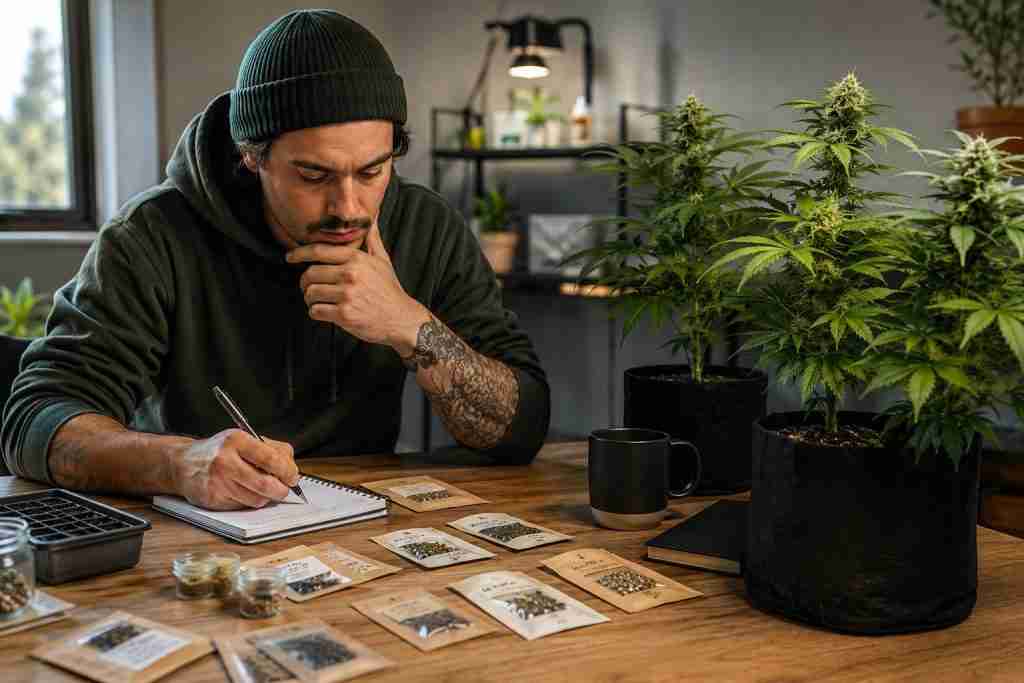
Outdoor growers should begin with the conditions the plant will face. Think about the length of the warm season, late-summer humidity, autumn rain, nighttime temperature, wind exposure, and how much direct sun the site receives.
In a shorter season, fast finish becomes more important. In a humid area, open structure and mold resistance deserve more attention. In a windy location, strong branching matters. In a sheltered warm garden, you may have more flexibility.
That is why two Canadian growers can make completely different “best strain” choices and both be right.
Finish Time Is One of the Most Important Traits
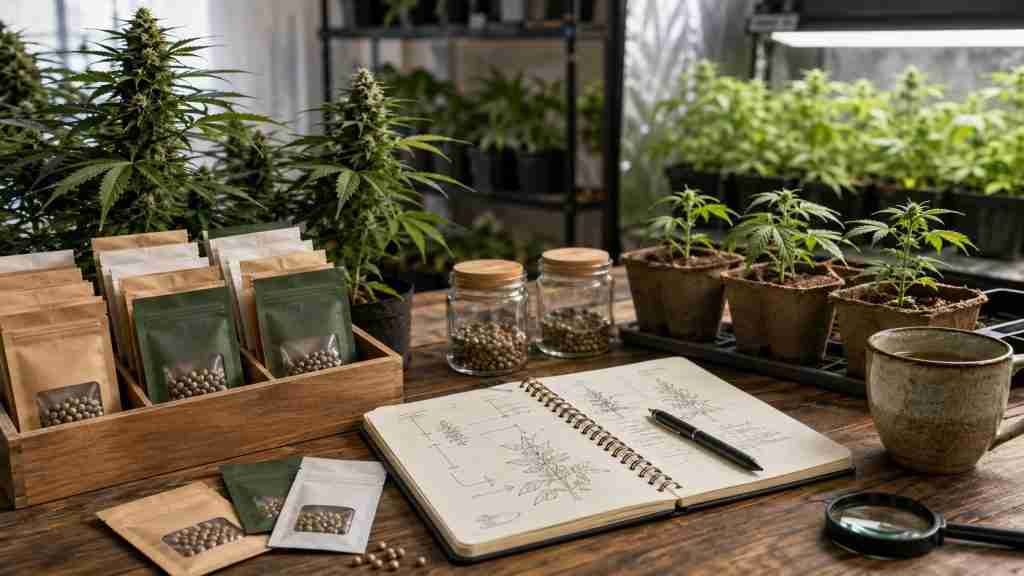
A beautiful CBD photoperiod that finishes too late for your area is not a good outdoor choice. Read breeder flowering information carefully and look for outdoor harvest notes when available.
Do not confuse indoor flowering days with an exact outdoor harvest date. Outdoor timing depends on genetics, latitude, weather, and seasonal light. Use breeder information as a guide and favor lines known to finish comfortably within your local season.
Faster flowering genetics can reduce the amount of time dense flowers spend exposed to difficult late-season conditions.
CBD Autoflower or Photoperiod for Outdoor Canada?
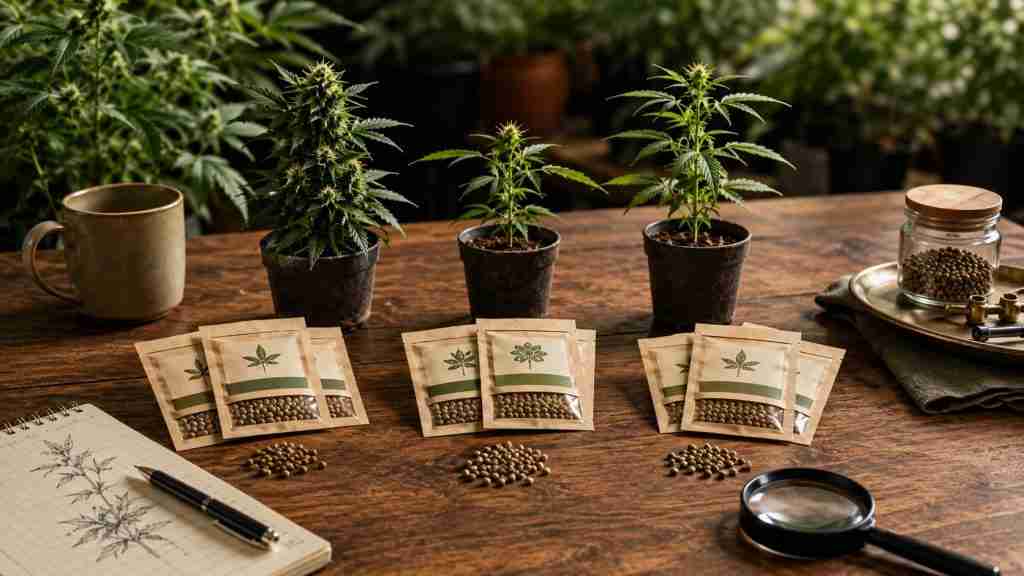
Autoflower CBD seeds are attractive outdoors because they flower by age and can finish before the main autumn weather arrives. They also stay relatively compact and can fit patios, small gardens, or greenhouse spaces.
Photoperiod CBD strains can become much larger and may deliver more from a single plant, but they depend on seasonal light changes and need enough time to finish.
If your main concern is a short season, CBD autos deserve serious consideration. If you have a favorable site and enough season length, photoperiod genetics give you more size potential. Read our complete CBD autoflower vs photoperiod comparison before deciding.
Plant Structure Matters Outdoors
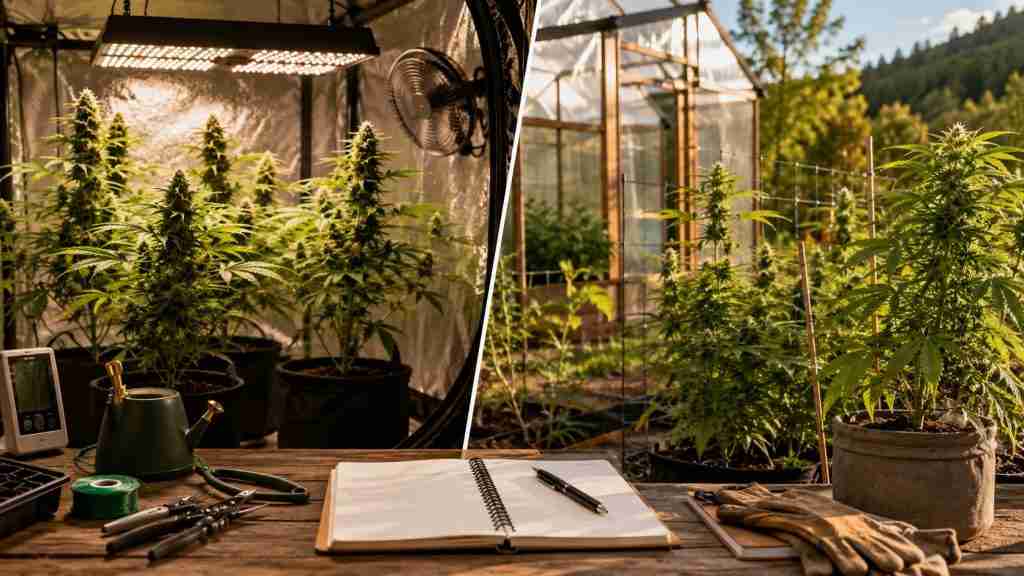
Outdoor seed descriptions often focus on height and yield, but structure can be just as important. Very dense plants can trap humidity. More open branching can improve natural airflow. Strong branches can help a plant deal with wind and the weight of mature flowers.
Think about the site. A tall plant may be fine in a private, protected garden but unsuitable where visibility or wind exposure matters. A compact plant may fit a smaller yard better.
The best outdoor strain is not simply the largest one. It is the one whose structure suits the location.
Choose the CBD-to-THC Target Before You Plant
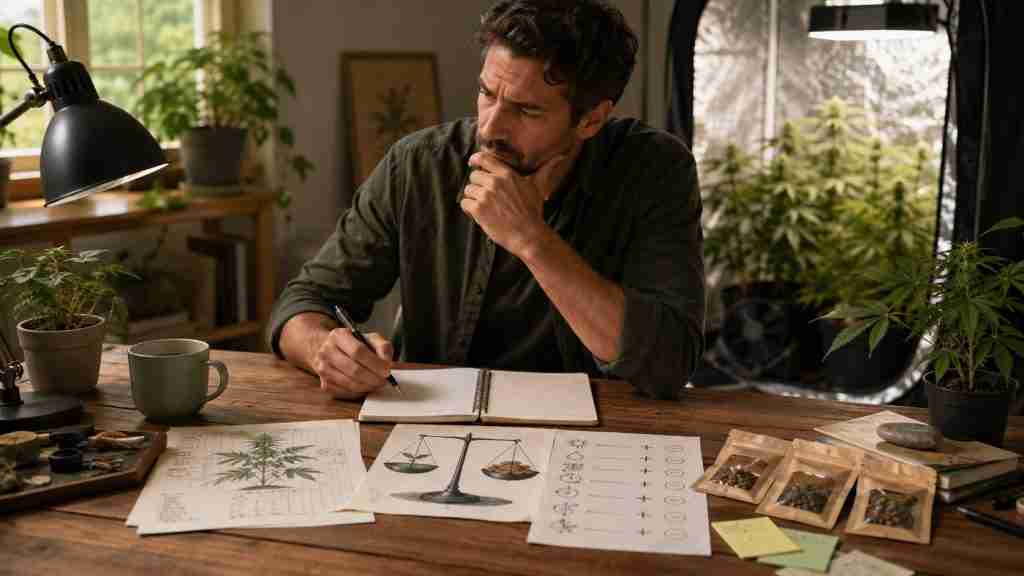
Outdoor conditions do not change the basic reason you selected CBD genetics. Decide whether you want a balanced CBD:THC profile or a strongly CBD-dominant cultivar before you shop.
Then look for stable breeder information that supports that goal. Read our CBD-to-THC ratio guide if you need help deciding between balanced and CBD-dominant genetics.
Do not assume every plant with “CBD” in the name has the same cannabinoid target. Compare the actual breeder information.
Use Terpenes as a Tie-Breaker, Not the First Filter
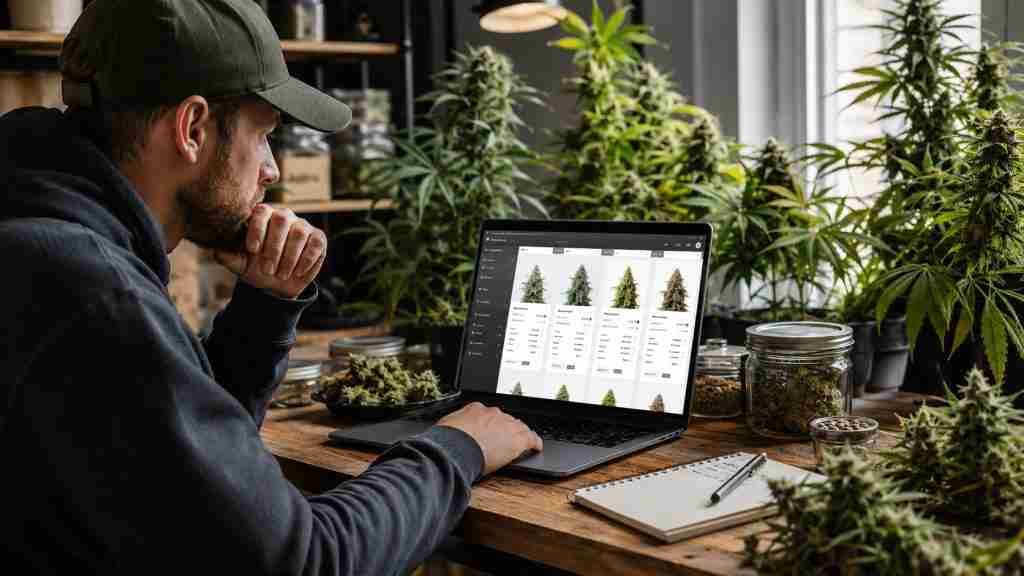
After you have narrowed the list by climate fit, finish time, structure, and cannabinoid profile, use terpenes and aroma to decide between the strongest candidates.
You may prefer citrus, pine, earthy, floral, or spicy profiles. Those preferences matter, but they should not push you toward a cultivar that is a poor outdoor match. Read our CBD terpene guide to compare the major profiles.
Compare Several CBD Genetics Before Buying
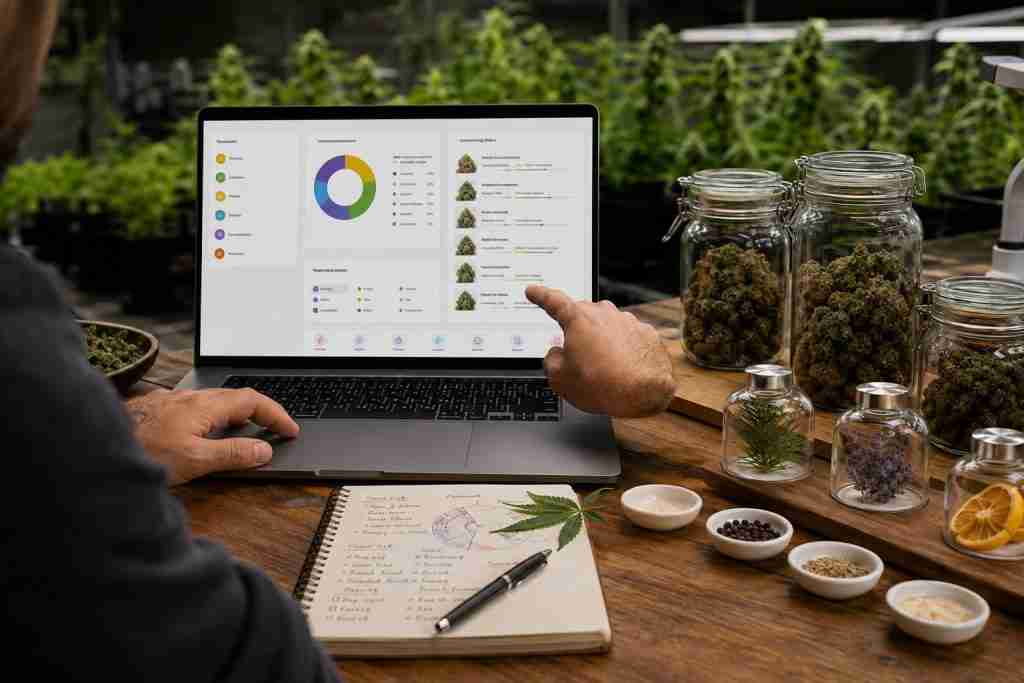
Make a shortlist instead of falling in love with one description. Compare seed type, breeder, CBD ratio, finish window, structure, difficulty, and environmental notes.
You can use our Find My Seeds CBD strain research guide and browse FindMySeeds.com for additional strain and genetics information.
For a first outdoor CBD grow, prioritize reliable finish and manageable growth over extreme yield claims. A plant that finishes cleanly is more useful than a theoretically massive plant that is still struggling when the season turns.
Plan for Your Region Instead of “Canada” as One Climate
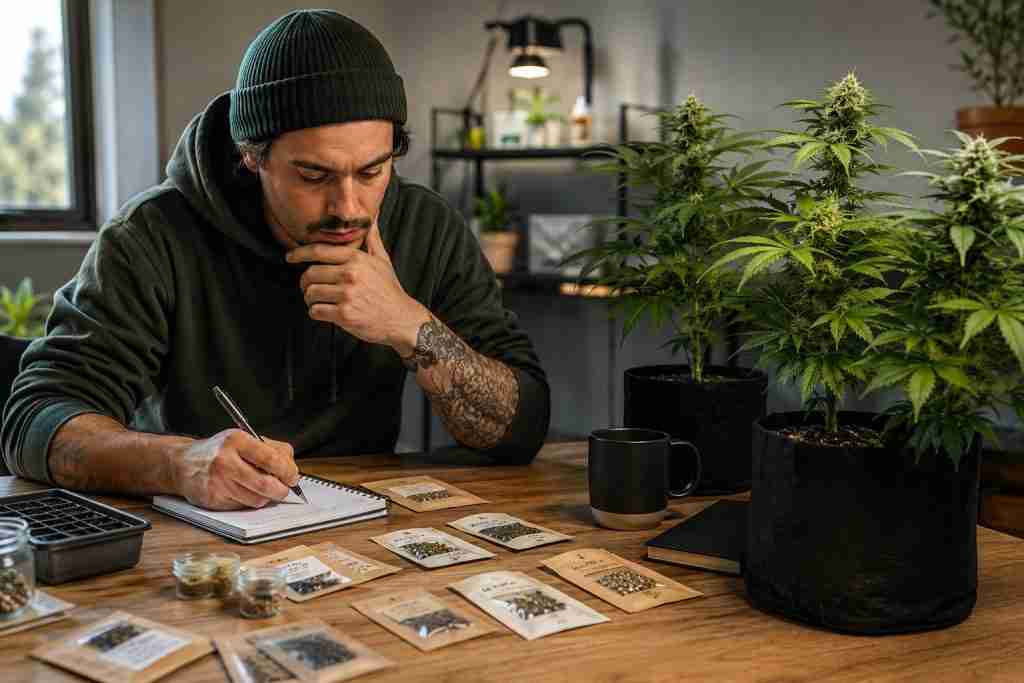
Canada is too large for one outdoor recommendation. Coastal areas, southern Ontario, the Prairies, Atlantic Canada, interior British Columbia, and northern regions can have very different season lengths, humidity patterns, and autumn weather.
Your first planning step should be local. Think about the usual first cold nights, whether September is wet, how much direct sun your site gets, and whether morning dew lingers on plants. Those details influence which structure and finish window make sense.
If late-season moisture is common, prioritize strains that finish earlier and do not form an excessively closed canopy. If the site is exposed to wind, strong branching becomes more important. If the location has a longer warm autumn, you may have room for slower photoperiod CBD genetics.
Local experience is valuable. Growers in the same region can often tell you which broad finish windows are realistic, even when they grow different strain names.
Common Mistakes When Choosing Outdoor CBD Genetics
The first mistake is choosing by the biggest advertised outdoor yield. Yield potential means very little if the cultivar cannot finish reliably in your season. Finish time and environmental fit come first.
The second mistake is assuming all CBD genetics are low-THC. Read the intended ratio. A balanced CBD:THC strain may be completely different from the CBD-dominant profile you thought you were buying.
The third mistake is ignoring final plant size. Outdoor cannabis can become much larger than a new grower expects. Think about privacy, support, airflow, and the physical room around each plant.
Finally, do not wait until after planting to research the breeder. Compare lineage, finish information, seed type, and cannabinoid target before the seed ever enters the garden.
Outdoor CBD Growing FAQ
Are CBD autoflowers useful in Canada? Yes, especially where an earlier harvest is valuable. They are not the only option, but the automatic schedule can fit shorter seasons well.
Should I choose the fastest strain available? Fast finish is helpful, but you still need the right cannabinoid profile, plant structure, breeder quality, and environmental fit.
Does indoor flowering time equal outdoor harvest date? No. Use breeder flowering information as one clue and look for outdoor or regional finish notes when available.
What should I compare first? Season fit, seed type, CBD-to-THC target, plant structure, and breeder stability should come before aroma or yield claims.
Choose Outdoor CBD Genetics by Real-World Scenario
Instead of asking for the single best Canadian CBD strain, start with your scenario. A grower with a sunny sheltered backyard in a long-season region has different needs from someone growing near the coast, on an exposed property, or in a region where cool nights arrive early.
Short season: give extra weight to autoflowers and fast-finishing photoperiods. A slightly smaller plant that reaches maturity is more useful than a large cultivar that runs out of season.
Humid late summer: prioritize airflow, open structure, realistic finish time, and breeder notes about resilience. Very dense late-finishing flowers can create more management pressure when wet weather arrives.
Windy site: look for sturdy branching and plan support. A giant plant with weak branches is not automatically an advantage outdoors.
Small or visible garden: final height matters. Compact CBD autos or shorter photoperiod selections may fit the property better than tall vigorous lines.
Greenhouse or protected site: you may have more flexibility because rain exposure is reduced and the environment can extend the useful season, but heat and humidity still need to be considered.
These scenarios are why regional fit is more important than a national top-ten list. Genetics should solve the problems your site actually presents.
How to Read an Outdoor CBD Seed Description
Start with the breeder and lineage. Then record seed type, cannabinoid target, flowering or harvest information, expected height, and any indoor/outdoor notes. Look for clues about branch strength, flower density, vigor, and resistance. If the description provides only potency and yield claims, you may need more research before deciding.
Be careful with outdoor harvest claims that do not explain the region. “Late September” in one latitude may not translate perfectly to another. Treat dates as a reference rather than a guarantee.
Should a First Outdoor CBD Grow Use Autos?
Autos can make a lot of sense because they simplify seasonal timing, but they are not automatically easier in every way. Early stress can reduce final size, and you cannot extend vegetative growth. A fast, stable photoperiod can be a good first outdoor choice too when the local season supports it.
Compare the actual genetics rather than buying the seed type label. A well-matched cultivar matters more than whether the package says auto or photoperiod.
Keep a Regional Grow Record
After harvest, record when flowering became obvious, when the plant finished, how it handled rain and cool nights, final height, and whether the breeder timing was accurate for your property. That record is extremely valuable when choosing next year’s CBD genetics.
Why a Test Run Can Be Better Than Committing the Whole Garden
If you are trying unfamiliar CBD genetics outdoors, consider learning from a small first run before dedicating your entire garden to that cultivar. One season can tell you a lot about how the plant handles your actual daylight, humidity, temperature swings, and autumn timing.
Keep notes on vigor, branch strength, flowering onset, aroma, finish date, and weather response. Those observations are more useful for your property than generic claims from another climate.
Once you find a CBD cultivar that performs reliably where you live, you have a local reference point for future comparisons. New strains can then be judged against something you already understand instead of against marketing alone.
Outdoor CBD Seed Checklist for Canada
- Realistic finish time for your region
- CBD-to-THC ratio that matches your goal
- Autoflower or photoperiod life cycle that fits the season
- Plant structure suited to humidity and wind
- Manageable final size
- Clear breeder and lineage information
- Terpene profile you enjoy
Choose the genetics for the climate you actually have, and outdoor CBD growing becomes much easier to plan.

Related CBD guides

Best CBD Cannabis Strains for Beginner Growers: What to Look For
CBD cannabis strains for beginner growers should be forgiving, predictable, and matched to your space. Learn the traits that make a first CBD grow easier.

CBD Autoflower vs Photoperiod Seeds: Which Is Better for Your Grow?
CBD autoflower vs photoperiod seeds offer very different growing experiences. Compare speed, size, control, timing, and grow style before choosing.