CBD vs CBG: What’s the Difference and How to Compare Them on a Label
CBD vs CBG explained for shoppers: what each cannabinoid is, how CBG relates to plant chemistry, how they appear on COAs, and how to choose without medical hype.

If you have spent any time shopping hemp products, you have probably seen labels that say CBD, CBG, or both. Search results are full of CBD vs CBG comparisons, and for good reason: these are two different cannabinoids from the same plant family, they are both usually non-intoxicating, and they are not interchangeable on a label or a lab report.
This guide is a literacy piece, not a treatment guide. It explains what CBD and CBG are, how they show up in plants and products, how to read them on a Certificate of Analysis (COA), and how to choose between them without inventing medical promises. If you still need the basics on cannabidiol itself, start with our overview of what CBD is, then come back here for the side-by-side.
What CBD and CBG Actually Are

CBD is cannabidiol. It is one of the major cannabinoids found in hemp and cannabis, and it is the compound most commercial hemp oils, gummies, and topicals highlight on the front of the bottle.
CBG is cannabigerol. It is often called a minor cannabinoid because mature plants usually hold much less of it than CBD. Growers and extractors sometimes select for higher CBG, harvest earlier, or use specialized genetics so there is enough CBG left to bottle.
Both compounds are typically described as non-intoxicating. That means they are not the same as delta-9 THC, the cannabinoid associated with a strong psychoactive “high.” Trace THC can still appear in some full-spectrum products, which is why reading the COA matters. For a deeper CBD/THC primer, see our guide to CBD and THC differences.
Why CBG Is Called the “Parent” Cannabinoid
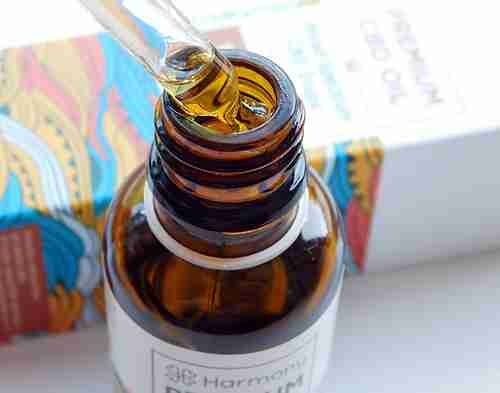
In the living plant, many cannabinoids begin as acidic forms. CBGA (cannabigerolic acid) is an early compound that plant enzymes can convert into other acidic cannabinoids, including CBDA and THCA. After harvest and heat, those acids decarboxylate into CBD, THC, and related compounds.
That pathway is why people call CBG a parent or precursor cannabinoid. It does not mean every finished CBD product still contains meaningful CBG. In a typical mature CBD-dominant plant, most of the CBGA has already been converted, so leftover CBG can be low unless the cultivar or harvest timing was chosen to keep it.
For shoppers, the practical takeaway is simple: a “CBD” label does not automatically include a useful amount of CBG. If CBG is part of why you are buying the product, look for CBG listed on the label and confirmed on the batch COA.
CBD vs CBG at a Glance
Use this table as a shopping and label-reading cheat sheet. It compares common market facts, not medical outcomes.
| Point | CBD (cannabidiol) | CBG (cannabigerol) |
|---|---|---|
| Role in the plant | Major cannabinoid in many hemp cultivars | Often lower in mature plants unless bred or timed for CBG |
| Typical market availability | Very common in oils, gummies, topicals, flower | Growing, but usually fewer SKUs and higher price per mg |
| Intoxicating? | Generally non-intoxicating | Generally non-intoxicating |
| What to verify on a COA | CBD or total CBD, plus THC compliance | CBG or total CBG, plus THC compliance |
| Often sold as | Isolate, broad-spectrum, or full-spectrum | CBG oil, CBG flower, or CBD+CBG blends |
| Beginner tip | Easier to find and compare by mg per serving | Check that CBG mg is real, not just a buzzword on the front label |
How They Show Up in Real Products

Product format matters as much as the cannabinoid name. The same “CBD vs CBG” question looks different on flower, oil, and edibles.
Hemp flower and smokeable herb
Flower labeled high-CBD or high-CBG should have a batch COA that matches the lot you bought. CBD flower is widely available. Dedicated CBG flower exists, but it is less common and often priced higher because the plant chemistry is harder to maximize.
If you grow from seed, cannabinoid targets start with genetics. Our guides on CBD-to-THC ratios and CBD seeds vs high-THC seeds explain how to shop for a ratio first. CBG-dominant seed lines are a separate search and should be confirmed with breeder data and later with harvest testing.
Oils and tinctures
Oils make milligram math easier when the label lists CBD mg, CBG mg, bottle size, and serving size. A full-spectrum CBD oil may contain small amounts of CBG as a minor, but those amounts can be tiny. A CBD+CBG oil or a dedicated CBG oil is the clearer choice when CBG is the point of the purchase.
Edibles and capsules
Gummies and capsules usually advertise a fixed mg per piece. That is helpful for consistency, but only if the COA matches the batch. Watch for products that put “CBG” in the product name while the Supplement Facts or cannabinoid panel shows almost no CBG.
Isolates and broad- or full-spectrum extracts
CBD isolate is refined to CBD with other cannabinoids removed. Broad-spectrum keeps a wider plant profile with THC reduced to non-detect on the report. Full-spectrum keeps a wider profile that can include measurable THC under the applicable hemp limit. The same spectrum language is starting to appear on CBG products, so read the panel instead of trusting the marketing word alone. For isolate basics, see what CBD isolate is. For spectrum types more broadly, see types of CBD cannabis products.
How to Read CBD and CBG on a COA
A COA is a batch lab report. It is the document that tells you whether the bottle or jar matches the marketing. When you are comparing CBD and CBG products, use the same checklist every time:
- Match the lot or batch number on the package to the COA. If they do not match, you are reading the wrong report.
- Check the lab name and date. Prefer recent tests from an identifiable third-party lab.
- Find CBD and CBG separately. Do not assume “cannabinoids” on the front label means both are present in useful amounts.
- Check total THC math when THCA is listed. Many labs report total THC as delta-9 THC plus THCA adjusted by the standard conversion factor.
- Scan contaminant panels when they are included: pesticides, heavy metals, residual solvents, and microbes.
If you want a seed- and hemp-lot focused walkthrough, use our guide on how to read a CBD hemp seed COA. The same lot-matching habit applies to finished oils and flower.
Can You Take CBD and CBG Together?

Many products already combine them, and people also buy separate bottles and stack servings. From a shopping standpoint, that is normal. From a safety standpoint, treat combined cannabinoids like any concentrated supplement: start with a low serving, keep notes on timing and how you feel, and talk with a qualified clinician if you take prescription medicines or have a medical condition.
Some brands market CBD+CBG blends for daytime use because CBG is often described by consumers as clearer or more alerting than high servings of CBD alone. That is consumer language, not a guaranteed effect for every person. Your response can depend on the dose, the rest of the cannabinoid profile, terpenes, food intake, and tolerance.
If you like the idea of multiple plant compounds working together, read our explainer on the entourage effect, then verify the actual milligrams on the COA rather than buying on the theory alone.
Related Searches People Ask After “CBD vs CBG”
Google’s related and “People also ask” style queries around this topic usually fall into a few buckets. Here is a practical reading of those questions without turning them into medical claims.
Is CBG stronger than CBD?
“Stronger” is not a useful word by itself. Milligram for milligram, the compounds interact with the body differently, and products vary widely in concentration. Compare serving size, total cannabinoids, and whether THC is present instead of chasing a vague strength ranking.
Which is better for daytime vs evening?
Many shoppers try CBG earlier in the day and CBD later, but that pattern is anecdotal. Your own notes matter more than a brand slogan. Keep timing, serving size, and product batch in a simple log for a week before you decide what fits your routine.
Why does CBG cost more?
CBG is usually less abundant in mature hemp, so producing a high-CBG extract often takes specialized genetics, earlier harvest timing, or more plant material per milligram. Higher price is common; higher price is not automatic proof of quality. Still demand the COA.
Will CBG or CBD show up on a drug test?
Most common workplace tests look for THC metabolites, not CBD or CBG. Full-spectrum products can still contain enough THC to create risk for some people. If testing is a concern, ask about isolate or broad-spectrum options and confirm non-detect THC on the matching batch COA. No product can honestly promise a pass for every test protocol.
A Practical Way to Choose Between CBD and CBG
Use a decision order that starts with labels and ends with personal fit:
- Decide what you want on the panel. CBD only, CBG only, or a stated CBD+CBG ratio.
- Pick the format you will actually use consistently: oil, capsule, gummy, or flower.
- Confirm the batch COA for potency and THC status before you buy more than a sample size.
- Compare cost per milligram of the cannabinoid you care about, not only bottle price.
- Start low, keep notes for several days, and change one variable at a time if you adjust serving size or switch products.
- Ask a clinician before combining cannabinoid products with medicines metabolized by the liver or if you are pregnant, nursing, or managing a diagnosed condition.
This order keeps the purchase grounded in measurable facts. Marketing pages often skip straight to lifestyle claims. Your job as a buyer is to pull the conversation back to milligrams, lot numbers, and fit.
Label Red Flags When Shopping CBD vs CBG
- The product name says CBG, but the cannabinoid panel lists only CBD.
- There is no batch-specific COA, or the QR code opens a generic homepage.
- Potency is listed only as a percentage with no serving math for oils or edibles.
- The brand uses disease-cure language. That is a marketing red flag and often a compliance problem.
- “Hemp oil” is used as if it meant CBD or CBG. Hemp seed oil is a food oil and is not the same as a cannabinoid extract.
Where Genetics Fit Into the CBD vs CBG Conversation
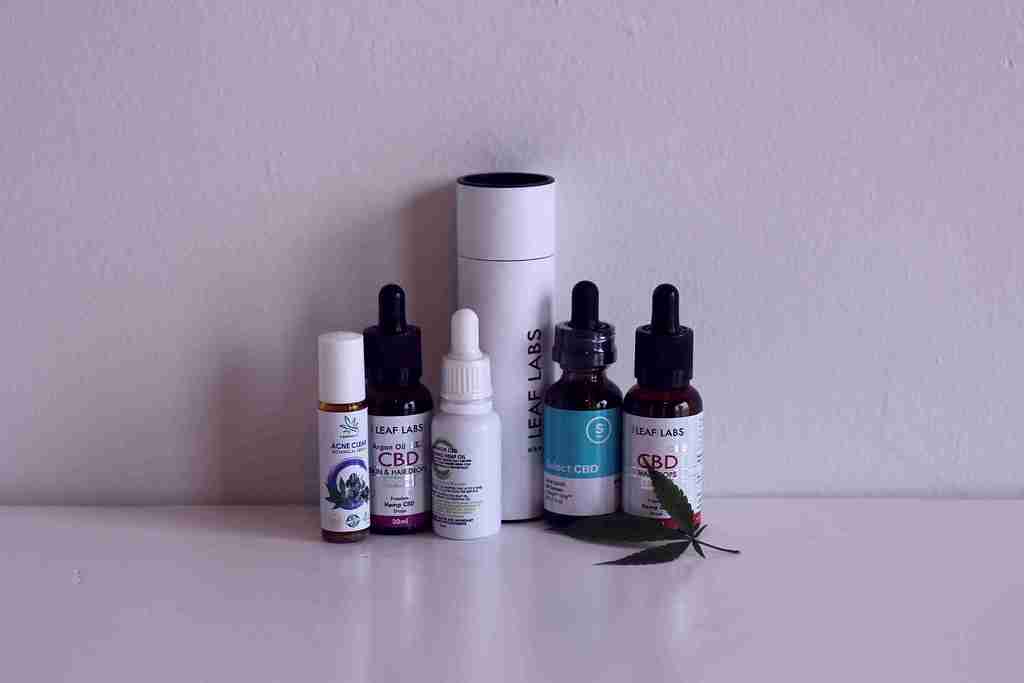
If you grow, the CBD vs CBG choice starts before extraction. CBD-dominant cultivars are common. CBG-dominant cultivars are less common and should be researched as their own category. Ask breeders for expected cannabinoid ranges, whether the line is Type III hemp-style or another chemotype, and whether third-party flower tests exist for that line.
After harvest, get the flower tested if cannabinoid content is the reason you grew it. Visual quality does not prove CBD or CBG milligrams. For outdoor or indoor planning around CBD genetics more generally, compare life cycles in our CBD autoflower vs photoperiod guide and aroma direction in our CBD terpene guide.
Legal and Labeling Context (High Level)
In the United States, many hemp-derived products are marketed under a federal hemp definition that limits delta-9 THC on a dry-weight basis, with state rules layered on top. Canada and other countries use different frameworks. Local age limits, retail rules, and allowable THC thresholds can change what you can buy and how it must be labeled.
Neither CBD nor CBG status on a label replaces local law checks. If you buy online, confirm the seller ships to your region and that the batch COA matches the product you received. For a broader legality overview on this site, see whether CBD cannabis products are legal, then verify current rules where you live.
CBD vs CBG FAQ
Are CBD and CBG the same thing?
No. They are related cannabinoids from cannabis/hemp chemistry, but they are different molecules and should appear as separate lines on a proper lab report.
Does full-spectrum CBD already include CBG?
Sometimes in small amounts, not always in meaningful amounts. Full-spectrum means a wider plant profile than isolate, not a guaranteed CBG dose. Check the COA.
Is CBG legal where CBD is legal?
Often they are sold under the same hemp product category, but rules vary by country and state. Confirm local regulations and the product’s THC compliance.
Should beginners start with CBD or CBG?
Many beginners start with CBD because products are easier to find and compare. If your interest is specifically CBG, buy a clearly labeled CBG product with a matching COA rather than hoping a CBD bottle contains enough CBG.
What serving size should I use?
There is no universal serving that fits every person or product. Follow the label, start low, and get personalized advice from a qualified clinician when needed. Avoid copying someone else’s milligram routine from social media.
Bottom Line
CBD vs CBG is a label-literacy question first. CBD is the widely available major cannabinoid most hemp shoppers already know. CBG is a distinct, usually scarcer cannabinoid that needs its own line on the COA if it is part of why you are buying. Compare milligrams, batch numbers, THC status, and format before you compare marketing stories.
If you are still building your shopping vocabulary, continue with different forms of CBD and keep using batch COAs as your source of truth.

Related CBD guides

Unlocking the Healing Potential of Cannabis CBD Medicine
Cannabis medicine isn’t a new concept; it’s a millennia-old practice that uses cannabis-derived compounds to treat an array of health conditions. These compounds work in synergy with the endocannabinoid system (ECS), a complex network of receptors found all over the human body. The ECS plays a crucial role in regulating functions like pain sensation, emotional […]
CBD Unraveled: What is CBD used for?
Hey there, friend! Have you ever heard of CBD? That’s short for cannabidiol, and it’s something that’s been causing quite the stir in health circles. But what’s the deal with it, you ask? Well, let’s unravel the mystery together! CBD and Its Origin: The Basis of Understanding You know those big, leafy, green plants called […]
How to Make Money Selling CBD Living Products?
What are CBD Living Products CBD Living Products refer to a range of products infused with cannabidiol (CBD), a non-psychoactive compound found in the cannabis plant. These products have gained immense popularity due to the potential therapeutic benefits of CBD, which include relief from pain, inflammation, anxiety, and other ailments. In this comprehensive guide, we’ll […]