How to Read a CBD Hemp Seed COA: Lot Numbers, Total THC, and What the PDF Does Not Prove
How to read a CBD hemp seed COA: match the lot, tell seed tests from flower tests, convert CBDA/THCA, and spot reused lab PDFs. Not medical advice.
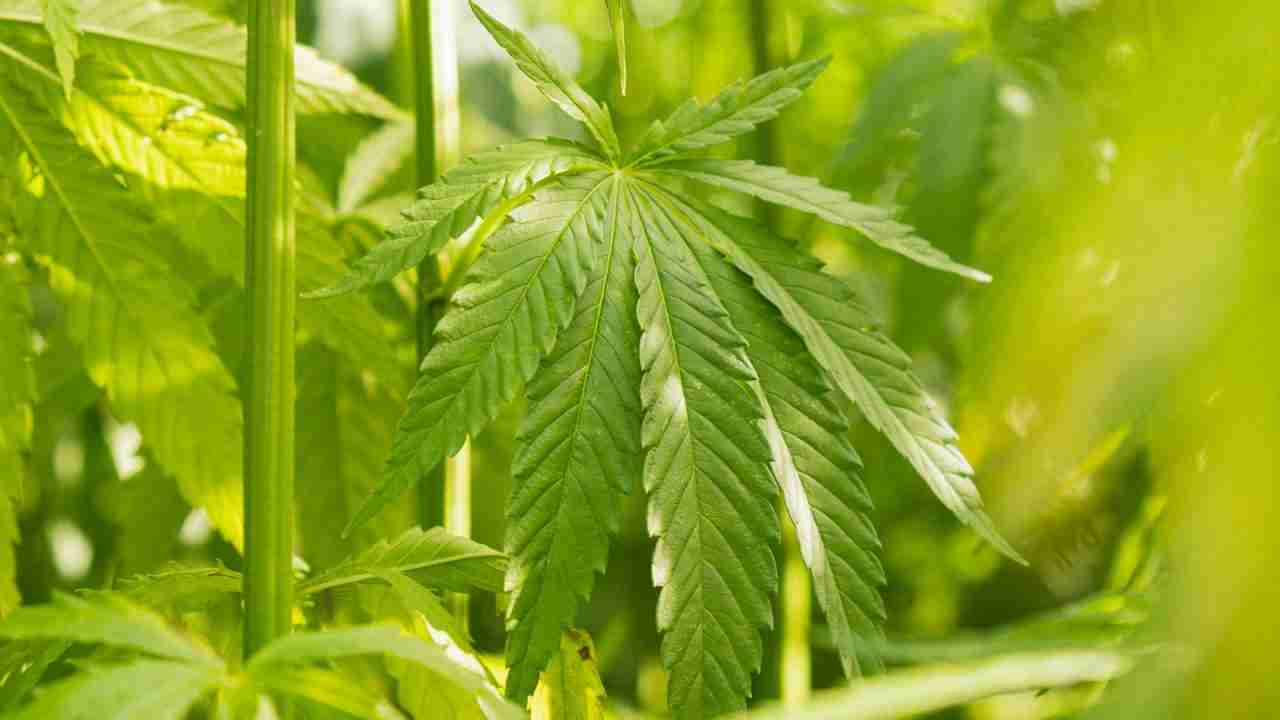
A CBD seed listing that says “lab tested” is not the same as a report you can actually use. Seed literacy starts with the paperwork: lot number, what was sampled, which cannabinoids were measured, and whether the document is even about the pack in your hand.
This page is about reading a CBD hemp seed COA as a buying document. It is not a ratio explainer (see how to choose CBD cannabis seeds by CBD-to-THC ratio) and it is not a CBD-vs-THC cultivar comparison (see CBD cannabis seeds vs high-THC seeds). Those posts cover genetics. This one covers the lab sheet.
Nothing here is medical advice, and a COA is not a health claim. Cannabinoid numbers on a seed-related report do not tell you how any person will respond to a finished product.
What a seed COA is actually testing
A certificate of analysis is a lab report for a defined sample. For CBD seed buyers, that sample is often one of four things, and mixing them up is the most common error:
- Parent flower or biomass: dried plant material from the line the breeder used as a parent. Useful as a chemistry snapshot of that crop, not a guarantee of every offspring.
- The seed itself: whole seed, sometimes surface-swabbed. Mature seeds contain little cannabinoid compared with flowers; a “seed potency” line can look almost empty even when the cultivar is CBD-dominant.
- A later harvest from the same lot: flower grown from that seed lot, then tested. This is closer to what you will grow, still subject to phenotype and environment.
- A different lot with the same strain name: marketing reuse. If the lot on the PDF does not match the lot on the packet, treat it as a sample of another batch.
Ask which of those four the PDF is. If the seller cannot say, the report is decoration.
Match the lot before you read a single percentage
- Copy the lot or batch number from the seed packet, invoice, or product page.
- Find the same string on the COA header (client sample ID, batch, or lot).
- Check the test date. A report from three seasons ago may still describe the line, but it is not a current-lot document.
- Confirm the lab name is a real third-party lab, not a branded in-house screenshot with no address.
- If there is a QR code, open it and see whether it lands on the lab’s own portal.
Keep the invoice, the packet photo, and the PDF together. If you ever need a germination claim or a replacement, those three files are the record.
Cannabinoid lines that actually matter on a hemp-seed report
Seed shops often quote a single CBD percentage. A usable COA lists acidic and decarboxylated forms separately. For hemp compliance conversations in the United States, buyers usually need total THC, not only delta-9 THC, because THCA converts toward THC when heated. Labs typically report:
Total THC ≈ (THCA × 0.877) + delta-9 THC
Total CBD ≈ (CBDA × 0.877) + CBD
The 0.877 factor accounts for the mass lost when the carboxyl group comes off. If a listing shows “CBD 18%” and the COA only lists CBDA, convert before you compare it with another pack that listed decarboxylated CBD.
A ratio such as 20:1 is a relationship, not a legal test. A plant can be CBD-dominant and still test above a local THC threshold. Do not treat a marketing ratio as a compliance certificate. Check the rules where you live before you plant.
What each row is (and is not)
| COA field | What it tells you | What it does not tell you |
|---|---|---|
| Lot / sample ID | Whether the PDF belongs to this pack | Whether the next pack with the same strain name matches |
| Lab name, date, method | Who tested, when, and roughly how | That the lab is ISO/IEC 17025 accredited unless the report says so |
| CBD / CBDA | Cannabidiol measured in that sample | The CBD content of every plant you grow |
| THC / THCA / total THC | Measured THC-related compounds in that sample | That your garden will stay under a legal hemp limit |
| Germination % | Lab or seed-lab viability for that lot, if present | How you stored the pack after it left the warehouse |
| Pesticides, metals, microbes | Contaminant screen on the sampled material | The cleanliness of soil, water, or nutrients you will use |
| Variety / cultivar name | The name the client submitted | AOSCA or USDA listing by itself; certification is a different document |
A COA is not a seed-certification tag. AOSCA or state-certified seed, if you need it for a licensed hemp acreage, is a separate paper trail. Do not substitute a cannabinoid PDF for a certification tag, and do not assume a certification tag reports a full cannabinoid panel.
Red flags on CBD seed paperwork
- One COA reused across many strain names or many years with no lot change.
- Only “CBD %” with no CBDA, no THCA, and no total THC.
- “ND” (not detected) for THC without a limit of detection. ND means below that lab’s reporting limit, not zero in nature.
- Crop photos, strain stories, or terpene marketing in place of a lab header. Terpene talk belongs on the cultivar page; see best terpenes in CBD cannabis strains when you compare aroma, not when you validate a lot.
- A “hemp” claim with no method (delta-9 only vs total THC) and no geography. Thresholds differ by jurisdiction.
- A food-seed or hulled-hemp-heart analysis attached to a planting-seed SKU.
A practical 10-minute checklist before you pay
- Lot on packet = lot on PDF.
- Sample type stated (seed, parent flower, or progeny flower).
- Lab is named and dated.
- CBD and THC families both listed, including acids if the sample was raw plant.
- Total THC method is readable if you care about a hemp definition.
- Numbers are ranges or lot results, not a single “up to” boast with no lab.
- Germination figure, if offered, has a test month.
- You have saved the PDF yourself, not only a shop thumbnail.
If any of those fail and the pack is expensive, wait. Cheap packs fail this list often; expensive packs fail it too when the shop copies one house COA onto every SKU.
FAQ
Does a seed COA guarantee my plants will hit the same CBD percentage?
No. Genetics set a direction. Phenotype, harvest timing, and how the sample was dried all move the number. Use the COA as a lot document and the breeder’s stated range as an expectation, then test finished flower if the exact chemistry matters.
Can I judge CBD potential by looking at the seed?
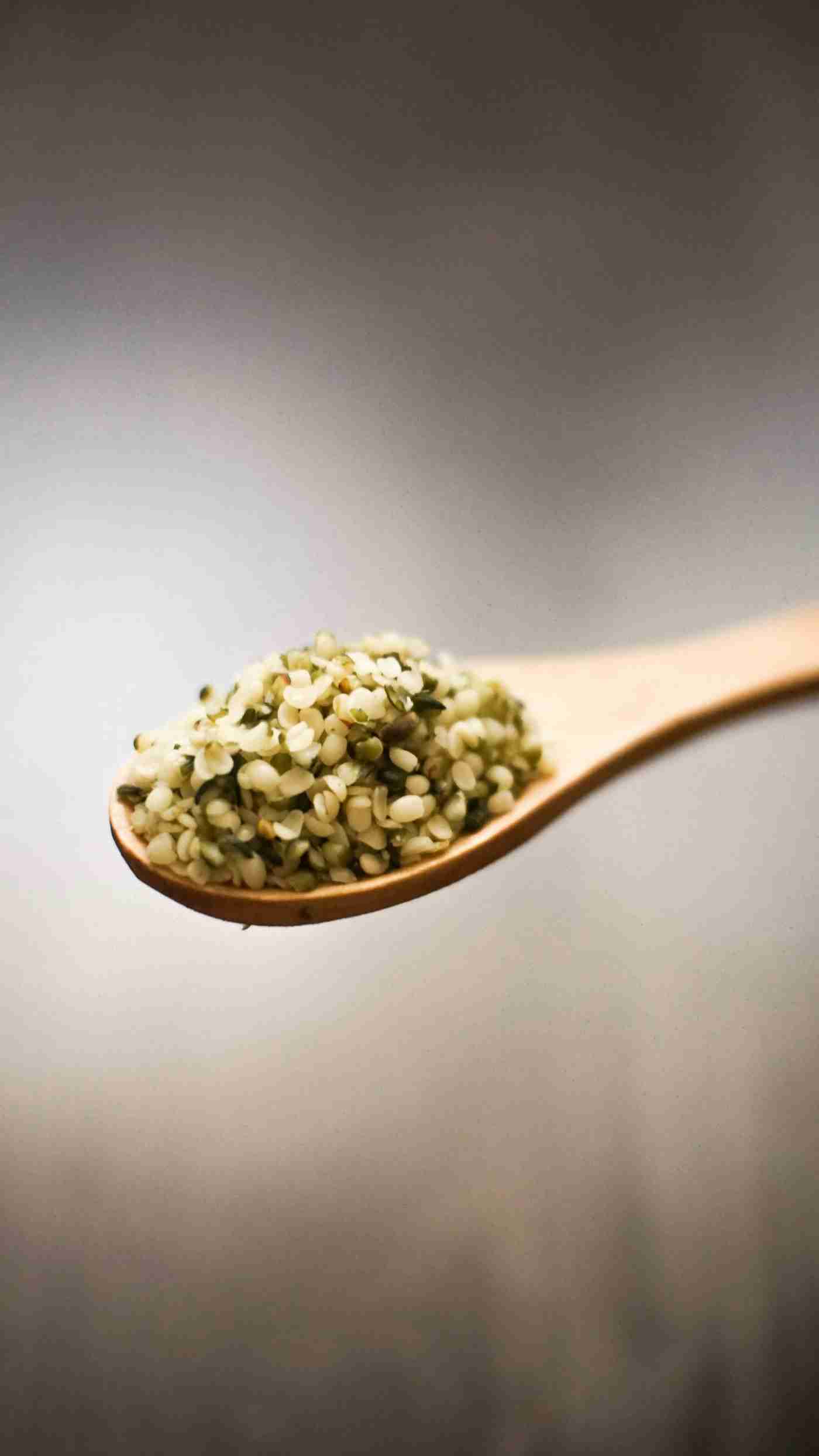
No. Color, stripes, and size do not encode a cannabinoid ratio. Hulled white hemp hearts in a spoon are food. Planting seed is a whole, usually striped achene. Neither appearance replaces a lab report.
Is “not detected” THC the same as hemp-legal?
Not by itself. You need the method (delta-9 vs total THC), the reporting limit, and the rule that applies where the crop will be grown or sold. ND without a limit is incomplete.
Should I buy if the shop has a COA but no lot number?
Treat it as a general example of the cultivar, not proof of your pack. Ask for the lot-matched file. If they will not send it, you are buying a name, not a documented lot.
What if I only care about growing, not licensed hemp?
You still want the lot match and a real lab header. You can skip certification-tag hunts, but you should still read CBD/THC families so the listing matches the ratio you think you bought.

Related CBD guides

How to Store CBD Cannabis Seeds for Long-Term Viability
Learn how to store CBD cannabis seeds properly by controlling moisture, temperature, light, containers, labels, and handling for long-term viability.

Best Terpenes in CBD Cannabis Strains: What Growers Should Look For
A practical guide to the major terpenes found in CBD cannabis strains and how growers can use aroma, flavor, genetics, and grow traits to compare seeds.

CBD Cannabis Seeds vs High-THC Seeds: Which Is Right for You?
A practical comparison of CBD cannabis seeds and high-THC seeds, including cannabinoid goals, cultivation traits, seed types, and balanced options.