How to Store CBD Cannabis Seeds for Long-Term Viability
Learn how to store CBD cannabis seeds properly by controlling moisture, temperature, light, containers, labels, and handling for long-term viability.

Good CBD genetics are worth protecting. Whether you keep a few packs for future grows or maintain a larger collection, learning how to store CBD cannabis seeds properly can help preserve viability and keep your records organized.
Seed storage is not complicated, but it does reward consistency. Heat, moisture, light, and repeated temperature swings all work against long-term preservation. The goal is to create a cool, dark, dry, stable environment and then disturb the seeds as little as possible.
This guide focuses on practical home storage rather than laboratory seed banking. It also explains how to label CBD genetics so you do not lose important information such as breeder, ratio, seed type, and purchase date.
Why CBD Seed Storage Deserves Extra Attention
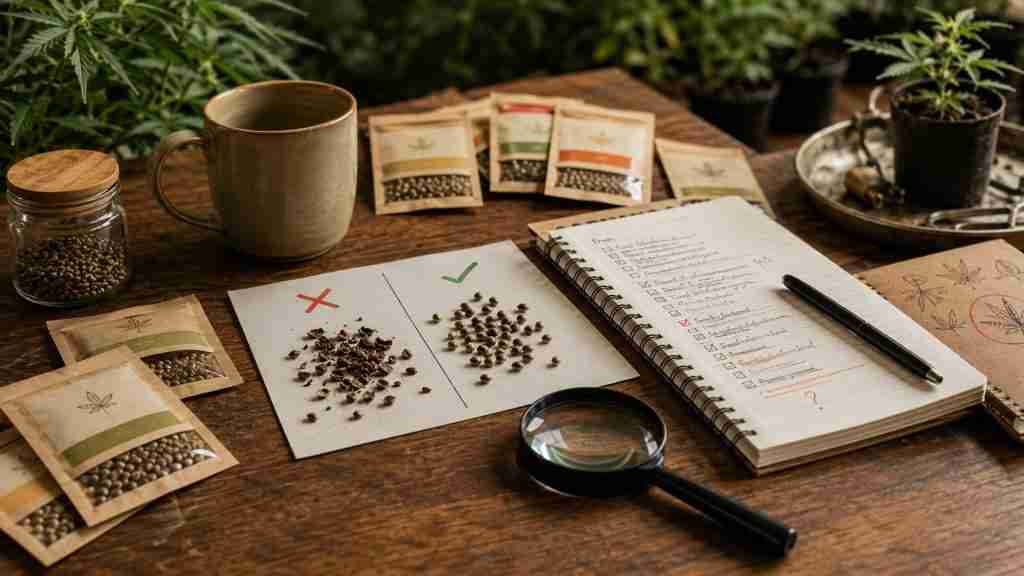
A CBD seed is more than a future plant. It represents a specific genetic and cannabinoid target. If you bought a cultivar because it was bred toward a particular CBD-to-THC ratio, losing the seed also means losing access to that exact selection.
This is especially important when you collect limited releases, older breeder stock, or CBD lines that are difficult to replace. Proper storage protects your investment and gives you more flexibility about when you grow each pack.
Start by recording the important details. If you have not already identified the target profile, our guide to CBD-to-THC ratios can help you organize the collection by purpose.
Control Moisture Before Anything Else

Moisture is one of the biggest enemies of stored seed. Seeds are living biological material, and excess moisture can trigger deterioration, mold, or premature metabolic activity.
Keep seeds dry and avoid opening the storage container in a humid room. If you use a desiccant, keep it separated so it does not physically damage the seeds and follow a conservative approach. The goal is dry, stable storage, not extreme experimentation.
One of the most common mistakes is moving cold seeds directly into warm, humid air and opening the container immediately. That can allow condensation to form. Let a sealed container move toward room temperature before opening it.
Protect Seeds From Light
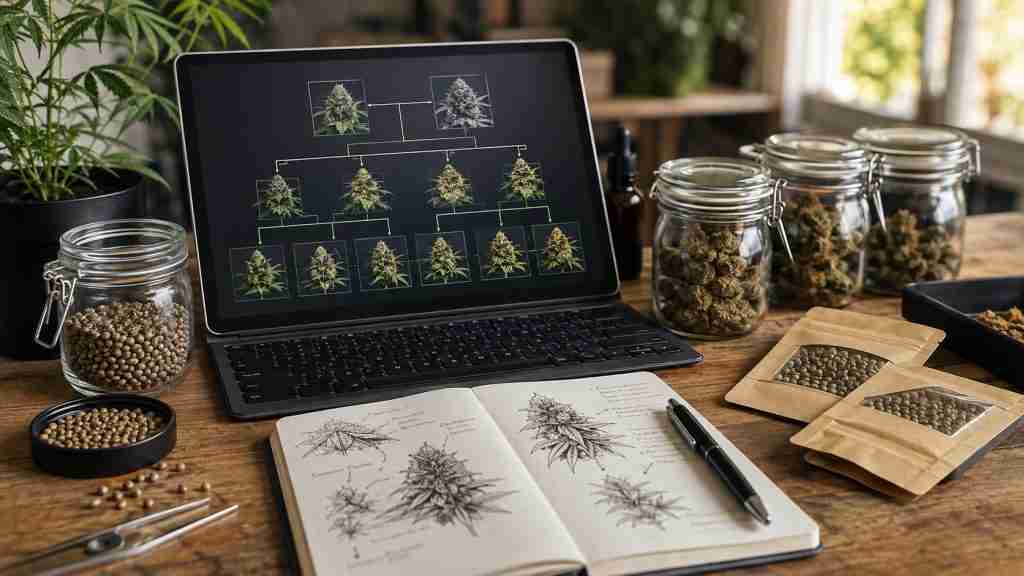
Light is easy to control and there is little reason to expose stored seeds unnecessarily. Opaque containers, boxes, drawers, or dark storage areas all work better than leaving clear containers on a bright shelf.
For a collection you access often, consider storing individual packs inside a larger dark container. That lets you organize by breeder or CBD ratio without leaving seeds exposed every time you open the cupboard.
Good labeling means you do not need to open every packet to remember what is inside.
Keep the Temperature Cool and Stable
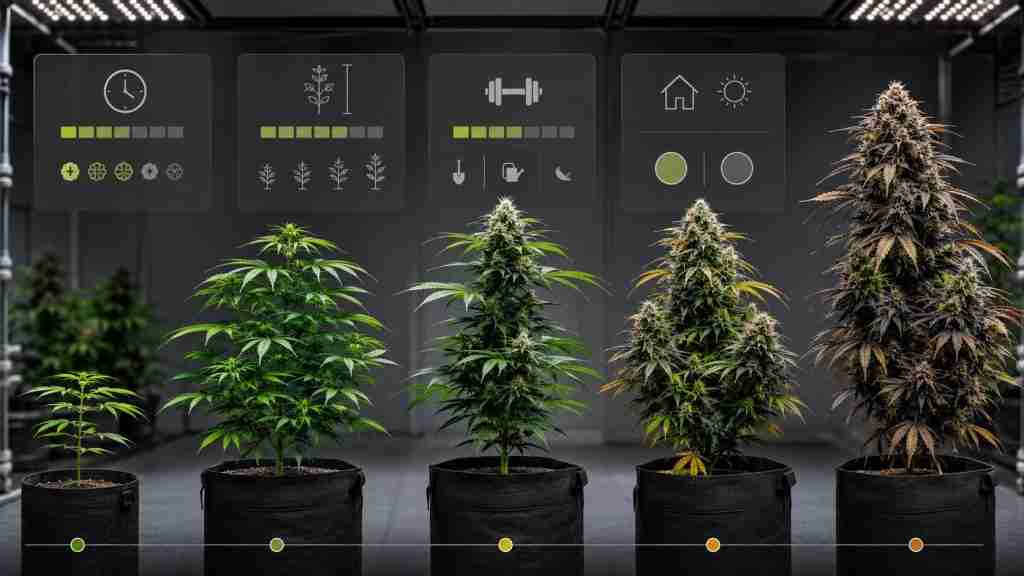
Temperature stability matters as much as the absolute temperature. A location that moves between hot and cold repeatedly is a poor seed-storage environment. Avoid windowsills, sheds, hot garages, vehicles, and spaces near heaters or appliances that cycle heat.
For ordinary short- to medium-term storage, many collectors use a cool, dark indoor location. For longer storage, some use refrigeration, but sealed moisture control and careful handling become more important because condensation can become an issue when containers are opened.
If you choose colder storage, avoid unnecessary freeze-thaw or cold-warm cycles. Consistency is the goal.
Choose Containers That Actually Seal
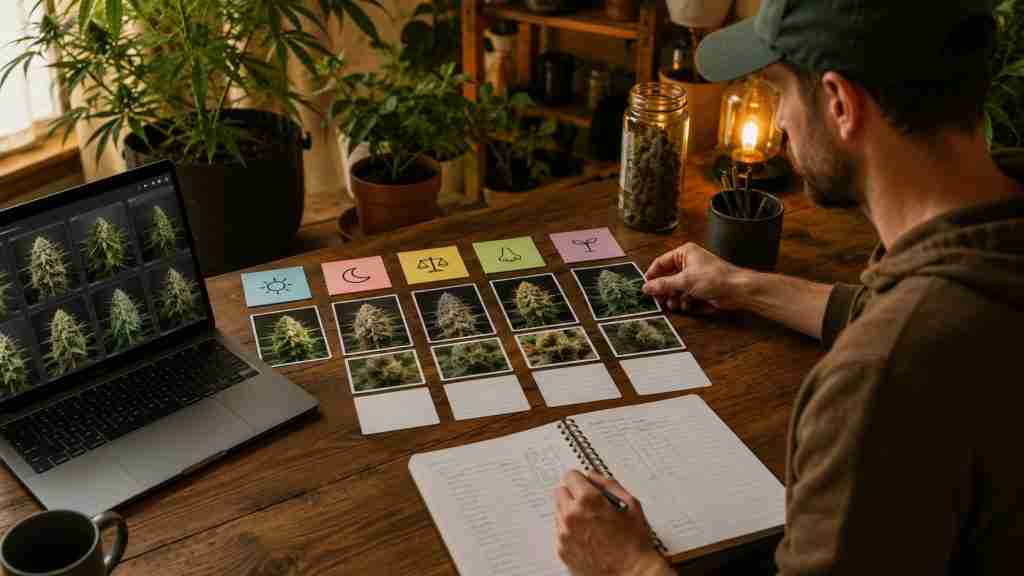
Original breeder packs are useful for identification, but they are not always the best moisture barrier by themselves. Many collectors place original packs inside an airtight secondary container so the breeder label stays with the seeds while the outer container provides better environmental protection.
Small glass jars, quality airtight boxes, and well-sealed storage containers can all work. The best choice is one that is clean, dry, strong enough to protect the seeds, and easy to organize.
Do not crush seed packs under heavy items, and do not constantly transfer loose seeds between containers. Physical handling should be minimal.
Label CBD Genetics With More Than the Strain Name
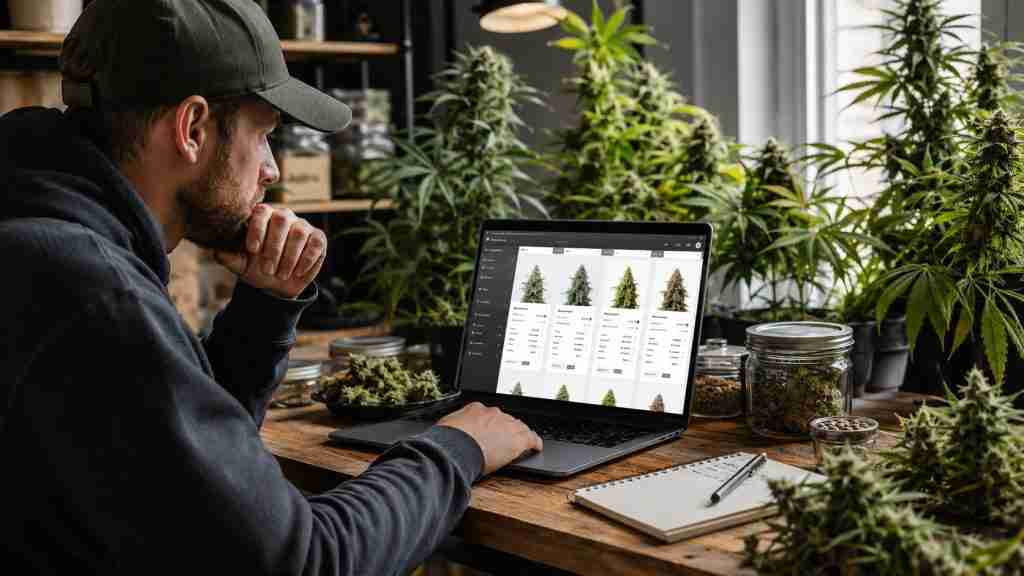
CBD collections need good records because the same or similar strain names can appear in different ratios or breeder versions. At minimum, record the strain name, breeder, seed type, purchase date, and advertised CBD and THC range.
You may also want to record whether the seeds are feminized, autoflower, or photoperiod and whether the breeder lists important terpene or flowering information.
If you research strains using FindMySeeds.com, save the breeder and lineage information with your storage notes rather than relying on memory.
Organize a Long-Term CBD Seed Collection

A simple inventory prevents duplicate purchases and forgotten packs. A spreadsheet can be enough. Give every pack a location code, then track the strain, breeder, date, CBD ratio, seed count, and notes.
Organize by whatever matters to you: breeder, ratio, seed type, or planned grow. If you have many packs, separate the seeds you expect to grow soon from long-term backup genetics so you do not disturb the long-term container constantly.
Use our guides on CBD terpenes and finding CBD strains to add useful research notes to the inventory.
Should You Refrigerate or Freeze CBD Cannabis Seeds?
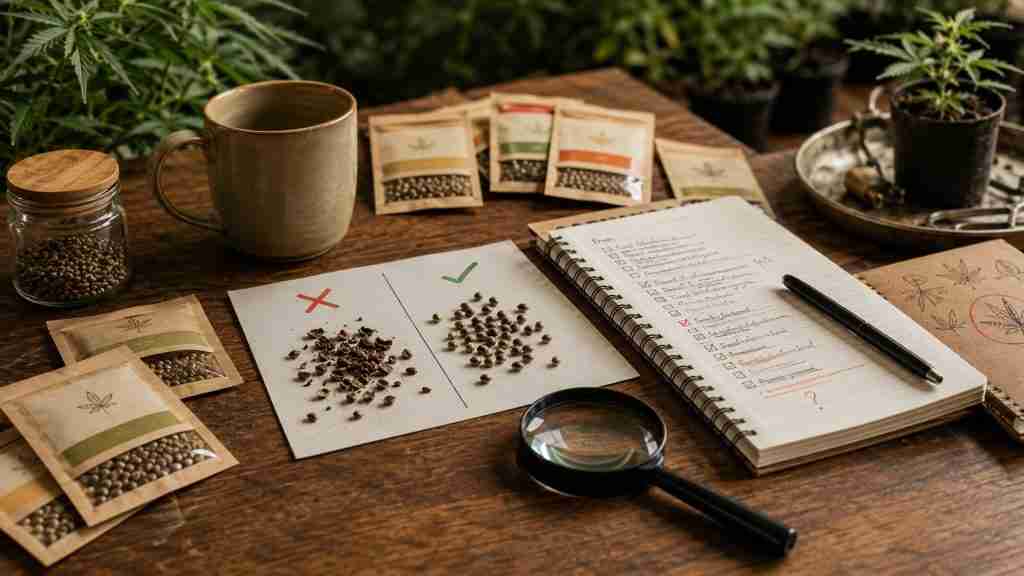
For many home growers, the most important storage improvement is not extreme cold. It is stability. A cool, dark cupboard with low humidity can be perfectly practical for seeds you expect to use within a reasonable period.
Refrigeration can provide a more stable cool environment for longer storage, but the container needs to be well sealed. The biggest handling risk is condensation when a cold container is opened in warm, humid air. Let the sealed container warm before opening it.
Freezing is a more advanced choice. Seed banks use carefully controlled methods, but home freezers cycle temperatures and may expose containers to repeated disturbance. If you do not have a specific long-term preservation reason and a disciplined moisture-control method, ordinary cool storage or refrigeration may be simpler.
The key lesson is that colder is not automatically better. Stable conditions, dryness, darkness, and minimal handling are what you are trying to achieve.
Common CBD Seed Storage Mistakes
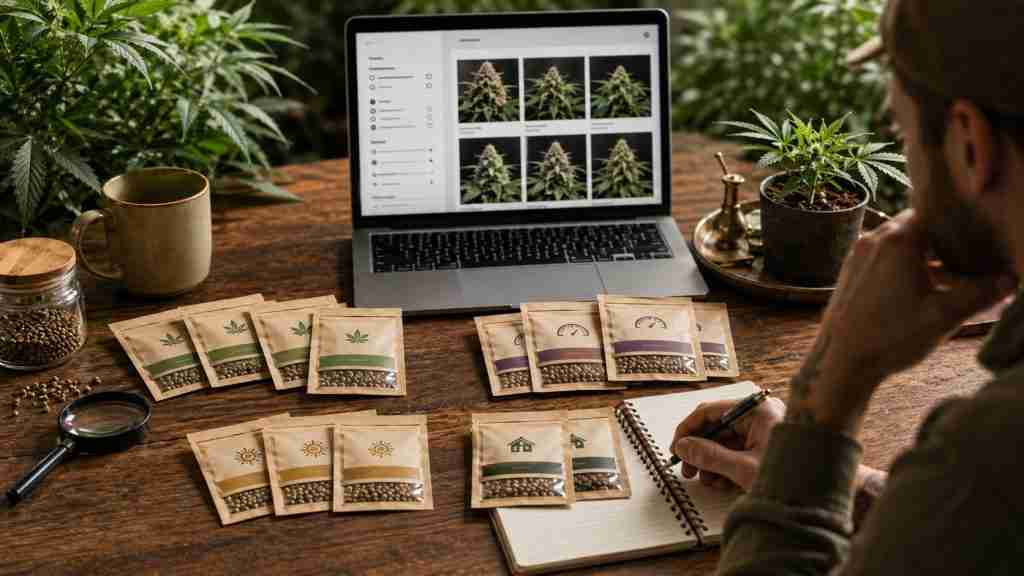
Do not leave seeds in a hot room, direct sunlight, or a vehicle. Do not open cold containers immediately in humid air. Do not store loose seeds without labels, and do not assume you will remember the breeder or ratio years later.
Another mistake is mixing seeds from multiple packs in one unlabeled container. Even if you recognize the seeds today, you will not be able to separate the genetics reliably later. Keep each cultivar and breeder version physically separated.
Do not repeatedly move a long-term collection between warm and cold environments. If you want easy access to a few seeds, separate a working collection from your deeper storage so the long-term stock remains undisturbed.
CBD Seed Storage FAQ
Can I keep seeds in the original breeder pack? Yes, but many growers place the original pack inside a better-sealed outer container to improve environmental protection while preserving the label.
Should I open stored seeds to inspect them often? Usually no. Frequent opening exposes the seeds to temperature and humidity changes. Good labels reduce the need to disturb the collection.
What information should be on the label? Record strain, breeder, seed type, date acquired, CBD and THC target, and any notes that will help you identify the exact genetics later.
What is the simplest storage rule? Cool, dark, dry, stable, and clearly labeled.
Build a Simple CBD Seed Storage System You Can Maintain
The best storage system is one you will actually use consistently. You do not need a complicated laboratory setup. You need a repeatable place for every pack, a reliable container, and a record that tells you exactly what you own.
Start by giving the collection a simple structure. For example, one container can hold CBD-dominant photoperiods, another balanced CBD:THC seeds, and another autoflowers. Inside each container, keep breeder packs separate and label every loose vial or envelope. If you have only a few packs, one airtight container with dividers may be enough.
Create an inventory file. Include strain name, breeder, seed type, quantity, date acquired, advertised CBD and THC range, and storage location. Add a notes field for lineage, terpene profile, or why you bought the cultivar. If a pack is opened, update the remaining seed count. This prevents the frustrating situation where your spreadsheet says you own a strain but the packet is empty.
Keep the storage location boring. Stable is better than clever. A place that stays dark, cool, and dry without frequent handling is more useful than a location that reaches a lower temperature but is constantly opened, moved, or exposed to humidity.
How to Remove Seeds From Cold Storage
If seeds are stored in a refrigerator or other cold environment, take out the sealed container and allow it to move toward room temperature before opening. The purpose is to reduce the chance of warm humid air condensing on cold seeds or inside the container.
Only remove the pack you need if possible. Return the main collection to stable storage rather than leaving it on the counter while you work. A small working box can be useful for seeds you expect to use soon, while the long-term collection remains undisturbed.
When Should You Replace Packaging?
Replace torn envelopes, cracked vials, loose lids, or containers that no longer seal well. Preserve the original breeder label by placing it inside the new secondary container or recording the information before discarding damaged packaging.
Do not wait until a label becomes unreadable. Digital records are an inexpensive backup and are especially useful when your collection includes several breeder versions of similar CBD strain names.
What About Seeds You Plan to Use Soon?
Short-term seeds do not need the same level of deep storage as genetics you hope to keep for years. Still protect them from heat, moisture, and direct light. Separating near-term packs from the long-term collection also reduces how often you disturb your best backup seeds.
Keep Storage Notes With Your Germination Results
Your storage system becomes more useful when you connect it to future grow results. When you eventually use a stored pack, record how many seeds were started and how many germinated. Over time, that tells you which storage methods and which older packs are holding up best.
If a pack has been stored for a long time, note its age before you open it and keep the remaining seeds protected while you work. Do not repeatedly expose the whole collection just because you want to start one or two seeds.
This record also helps you decide which genetics deserve replacement. If a favorite CBD line is becoming difficult to find, you may want to preserve unopened backup packs while they are still available. Good storage is easier when collection management and grow planning work together.
CBD Seed Storage Checklist
- Cool location
- Dark storage
- Low moisture
- Airtight secondary container
- Minimal temperature swings
- Clear breeder and ratio labels
- Minimal handling
- Inventory of every pack
Good storage is mostly about avoiding extremes. Keep the environment stable, keep your records clear, and your CBD seed collection will be much easier to manage over time.

Related CBD guides

How to Read a CBD Hemp Seed COA: Lot Numbers, Total THC, and What the PDF Does Not Prove
How to read a CBD hemp seed COA: match the lot, tell seed tests from flower tests, convert CBDA/THCA, and spot reused lab PDFs. Not medical advice.