CBD for Eczema: Topical Use, Barrier Repair, and What Creams Can and Cannot Do
Eczema is a barrier disease first. CBD cream is an extra, not a steroid replacement. Here is how to patch-test and read an eczema-safe label.
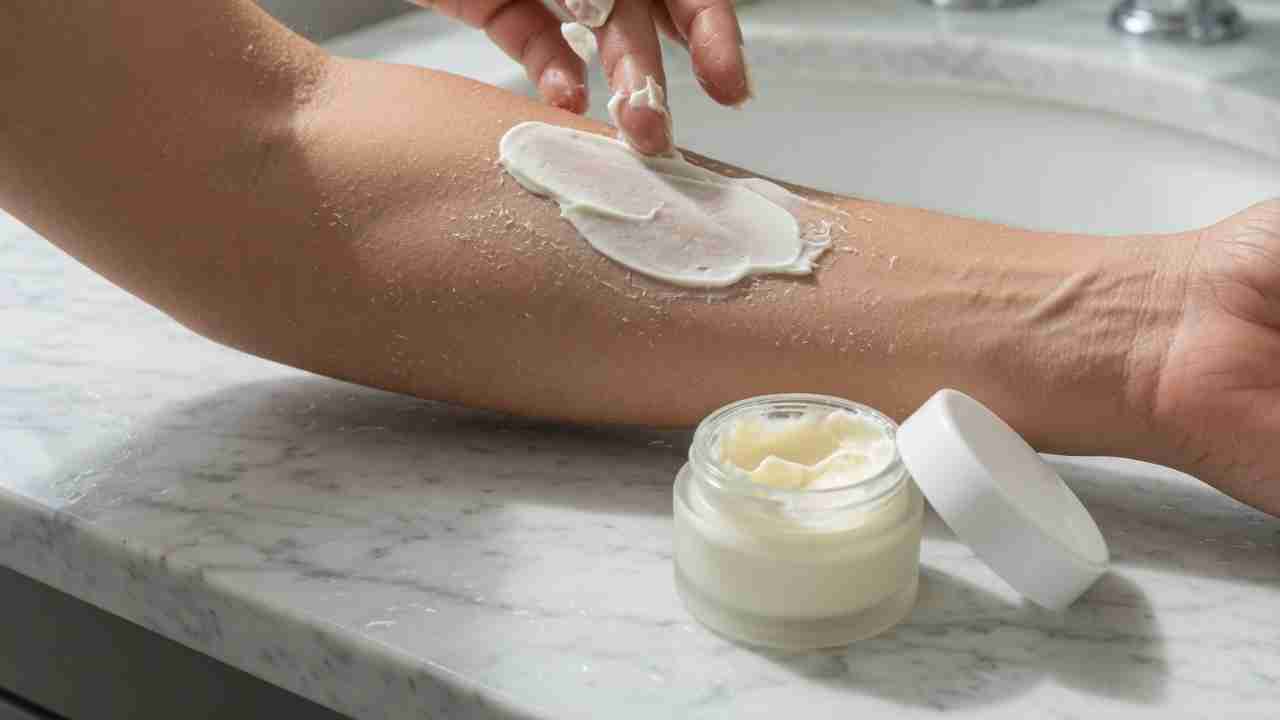
Type CBD for eczema and you will get luxury hemp creams, “anti-inflammatory” banners, and before-after photos that never mention fragrance. Atopic dermatitis is a barrier disease first: dry, leaky skin, itch, then inflammation. A cannabinoid in a scented jar does not rebuild that barrier. Ranking pages skip the boring stack — bland moisturizer, trigger control, and the steroid or calcineurin plan dermatology already wrote — and sell a leaf.
The endocannabinoid system is in skin. CB1, CB2, and TRPV1 show up in itch and inflammation pathways. Lab skin models are why CBD topicals sound scientific. Human atopic dermatitis trials for CBD remain limited; most of what you will be quoted is in vitro work or small open-label series, not large randomized cream trials. NCCIH’s cannabis overview is still the sober external read when a product page starts talking like a prescription: Cannabis and cannabinoids: what you need to know (NCCIH).
Keep the steroid or calcineurin plan your dermatologist prescribed. CBD is adjunct, not a replacement. Pair a cannabinoid cream with a plain moisturizer. Do not swap one for the other. Patch test the inner arm for 48 hours. Refuse fragrance, essential oils, and alcohol bases even if the jar is expensive. That is the article. The rest is how to run it without turning a flare into a contact-dermatitis mystery.
Barrier first: what each product class is actually for
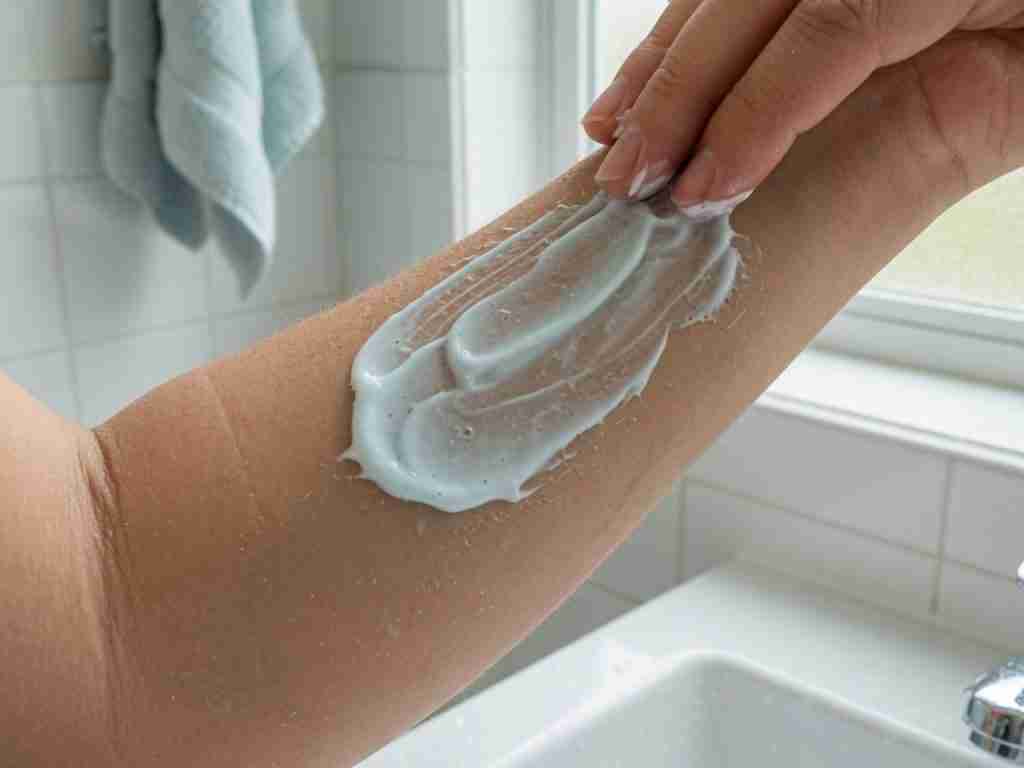
Eczema shopping language treats every cream as anti-itch medicine. The clinic stack is more boring and more effective. You repair water loss, you interrupt itch-scratch, you use anti-inflammatory prescriptions on active plaques, and you hunt triggers. Hemp CBD can sit in the “maybe extra” column. It does not sit in the prescription column.
| Product class | Job on eczema skin | What evidence allows | Do not use it as |
|---|---|---|---|
| Bland moisturizer (petrolatum, ceramides, plain cream) | Barrier repair, water lock | Standard care. This is the foundation. | Optional. Skipping it to “only use CBD” is the usual fail. |
| Topical corticosteroid (prescribed) | Calm an active flare | Guideline care for many flares, used as directed | Something CBD replaces. It does not. |
| Topical calcineurin inhibitor (prescribed) | Steroid-sparing anti-inflammatory on thinner skin | Dermatology plan, not a hemp analog | A reason to add five boutique creams on the same night |
| CBD cream / balm | Possible local comfort; lab anti-inflammatory and TRPV1 stories | Limited human AD trials; in vitro and small open-label dominate | A steroid, an antifungal, or a fragrance-heavy “luxury ritual” |
| Swallowed CBD oil | Systemic exposure, not a skin film | Wrong tool for a plaque you can touch; extra liver and gut variables | A shortcut around topical care |
| Hemp seed oil (culinary / emollient) | Fatty oil, little or no CBD | Emollient at best; not a cannabinoid dose | Proof that “hemp” treated eczema |
If the jar lists Cannabis sativa seed oil and no milligrams of cannabidiol, you bought an emollient with a leaf on it. That can still be fine as a moisturizer if the rest of the formula is bland. It is not CBD therapy. For the plant-part mix-up, the site already has a CBD skincare routine that starts with cleanser and barrier, not with a miracle serum.
What the skin endocannabinoid story does and does not buy you
Skin cells and nerve endings carry cannabinoid receptors. TRPV1 is part of itch and heat signaling. In dishes and explants, CBD can look anti-inflammatory and can modulate those pathways. Marketing translates that into “clinically proven eczema relief.” A receptor in a keratinocyte culture is not an EASI score in a 300-person trial.
Small open-label CBD or cannabinoid-cream series get passed around as if they were Phase 3. Open-label itch studies are famous for placebo and for moisturizing vehicles doing real work. If the vehicle is petrolatum-heavy, the cannabinoid may be a passenger. That is not a reason to never try a simple CBD cream. It is a reason to keep the bland moisturizer underneath and to refuse the claim that you can throw out triamcinolone.
Inflammation as a general hemp claim is a different article and a different organ. A sore knee and a flexural eczema plaque are not one shopping cart: CBD for inflammation. Oral anti-inflammatory folklore will not occlude a cracked elbow.
The 48-hour inner-arm test, then a tight label read
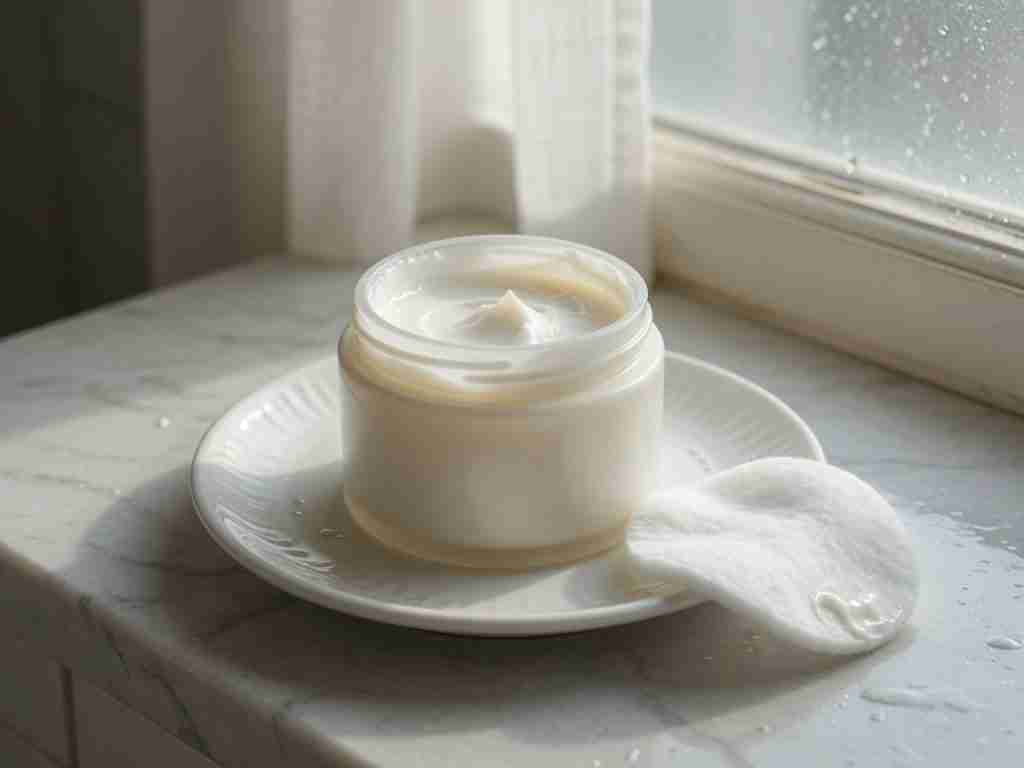
Eczema skin is already a poor barrier. It absorbs more, reacts more, and remembers fragrance. A face-and-neck flare is the wrong place to debut a new boutique balm. Inner arm, intact skin, 48 hours. If that patch itches, stings, or reddens, you found a problem before you found a treatment.
- Wash the inner arm with the same bland cleanser you already tolerate. Pat dry. No new soap for the test.
- Dot a pea of the CBD product on a coin-sized area. Do not mix it with a steroid or an acid the first night.
- Leave it. No occlusive wrap unless the product is meant to be occluded, which most CBD creams are not.
- Read the site at 24 hours and 48 hours. Redness, vesicles, or itch on that patch is a fail. Stop.
- If the patch is quiet, use a thin layer on one small, non-infected plaque for a week, still on top of your usual moisturizer, not instead of it.
- Keep the dermatologist’s steroid or calcineurin schedule unless that clinician changed it. “I started hemp” is not a taper.
- Photograph the plaque on day 0 and day 7 in the same light. Memory lies. Cameras are ruder and more useful.
- If you need oral CBD for sleep wrecked by itch, that is a sleep experiment, not eczema treatment. Do not swallow oil to skip cream.
Then read the INCI list like you are allergic, because you might be. Fragrance, parfum, essential oils (lavender, tea tree, peppermint, citrus, eucalyptus), menthol, and alcohol-heavy bases are a refuse for eczema even if the brand is “clean hemp.” Those ingredients sell a spa feeling. They also sell contact dermatitis. Cooling mint on a cracked patch feels like medicine for ten minutes and like a mistake for a week.
Quality still means a batch COA for the cannabinoid portion, plus a formula that is not a perfume. A pretty lab badge on a lavender-vanilla body butter is not eczema care. How to shop the cannabinoid half: how to choose quality CBD. How to shop the skin half: shortest ingredient list that still has a moisturizer you already know, then a CBD cream without scent.
Infection, steroids, and the other ways people get hurt
Weeping, yellow crust, spreading warmth, or fever is infection until a clinician says otherwise. Do not put a hemp balm on an impetiginized plaque and wait. Do not use CBD oil from a dropper on broken skin as if it were a wound ointment. Carrier oils go rancid; droppers are not sterile; eczema is not a salad.
Topical steroids have real rules: potency, body site, duration. People abandon them after a social-media steroid-phobia thread and then hunt CBD. The rebound itch is not proof that hemp is needed. It is often proof that the flare was undertreated. If you have a steroid plan, follow it. If you hate the plan, talk to dermatology about non-steroid prescriptions — calcineurin inhibitors, PDE4 creams, and, for some adults, newer systemic options. A $70 CBD jar is not that conversation.
Oral CBD adds liver-enzyme and drug-interaction questions you do not need for a patch of antecubital eczema. Save systemic hemp for a different problem, if you use it at all. Kids with eczema need a pediatric clinician, not a parent Facebook dose. Pregnancy and nursing are not DIY cannabinoid-skincare windows.
A weeknight routine that keeps CBD in its lane
Short lukewarm water, not a hot shower that feels good and then itches. Bland cleanser or none on the body. Moisturizer on damp skin within minutes. Prescription anti-inflammatory on active plaques as directed. Then, if the patch test passed, a thin CBD cream on the worst itch sites — or skip it if the bland cream already took the edge off. Cotton sleeves. Trimmed nails. A bedroom that is not a scented-candle showroom.
Itch at 1 a.m. is the hour people over-apply everything. More cream is not more medicine once the film is there. Scratching is the disease amplifier. If sleep is the collapse point, treat sleep as sleep: cool room, antihistamine only if your clinician already blessed that older tool (some antihistamines are sedating and do not fix eczema pathology), and no new oral hemp on a night you also started a new topical. One variable.
Hands and eyelids are special. Hand eczema lives in soap, gloves, and occupation. Eyelid skin is thin and allergic. Boutique CBD eye creams with essential oil are how people spend a month at the allergist. If you must try a cannabinoid product near the face, it should be unscented, already patch-tested, and cleared in your head as adjunct. Prefer the bland tube your dermatologist already likes.
FAQ
Can CBD cream replace my steroid?
No. Keep steroid or calcineurin plans from dermatology. CBD is adjunct. Lab anti-inflammatory stories and small open-label series are not a substitute for guideline topical therapy.
Why did a “soothing” hemp cream sting?
Fragrance, essential oils, menthol, alcohol, or a broken barrier. Eczema skin reacts. Patch test the inner arm 48 hours and refuse scented luxury formulas even when they say hemp or CBD.
Is hemp seed oil the same as CBD cream?
No. Seed oil is a food-style fatty oil with effectively no CBD unless a separate extract is listed in milligrams. It may work as an emollient. It is not a cannabinoid dose.
Should I swallow CBD for eczema?
Not as the primary plan. A plaque you can touch wants barrier care and, when prescribed, topical anti-inflammatories. Oral CBD is a systemic experiment with its own gut and liver baggage.
Disclaimer: This article is for education only. It is not medical or dermatologic advice and is not a treatment plan for eczema, atopic dermatitis, or any skin disease. CBD products are not FDA-approved to diagnose, treat, cure, or prevent any disease, except the prescription medicine Epidiolex for certain seizures. Talk to a clinician or dermatologist before using hemp CBD on inflamed or broken skin, and do not stop prescribed topicals to make room for a cream.
