Does Heat Destroy CBD? Cooking, Coffee, and Decarboxylation Temperatures
A splash in warm coffee is fine. A 400°F brownie for 40 minutes is a different problem. Use this temperature table before you bake a tincture.
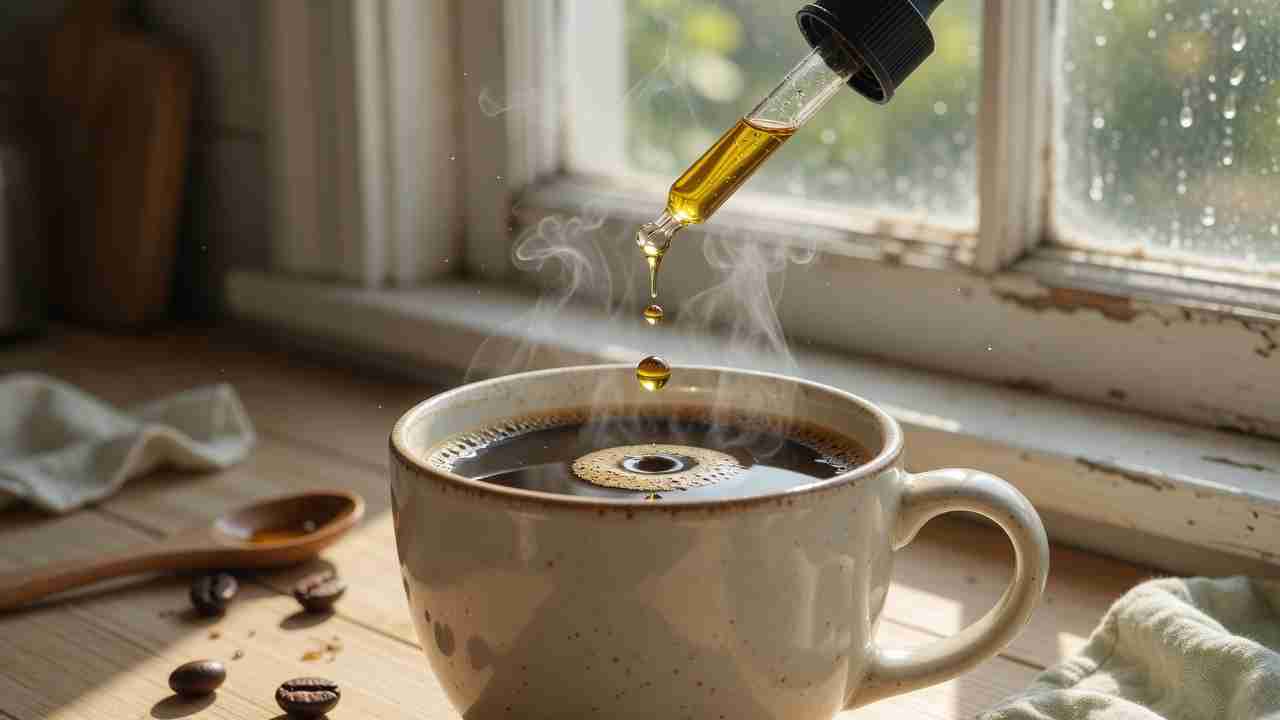
People ask does heat destroy CBD after two bad pieces of advice. One camp says any warmth kills the molecule, so coffee is pointless. The other bakes a $70 tincture into 400°F brownies for 40 minutes and calls the result a dose. CBD is more heat-stable than the first camp thinks. Prolonged high heat, light, and oxygen still chew it up. Ranking pages rarely give temperatures you can cook with.
Decarboxylation of CBDA to CBD in flower is typically about 220–250°F (105–120°C) for 30–60 minutes. That is heat doing a job: knocking a carboxyl group off the acid to yield CBD. Past that, you are in degradation territory — especially with long oven times, burnt vape coils, and rolling boils. Storage (light, air, a hot car) is already covered on this site: how to store CBD oil. This page is the cooker, the mug, and the coil.
Adding oil to hot-not-boiling coffee is common and reasonable. Boiling it for minutes is wasteful. Infuse into fat first; water recipes waste CBD because the molecule is lipophilic. If you want the coffee ritual rather than the chemistry, the companion piece is CBD and coffee. For why fat matters to how much you actually absorb, use CBD bioavailability. NCCIH’s cannabis overview remains a calm external baseline when kitchen blogs start sounding like labs: Cannabis and cannabinoids: what you need to know (NCCIH).
Temperature is a range, not a morality tale
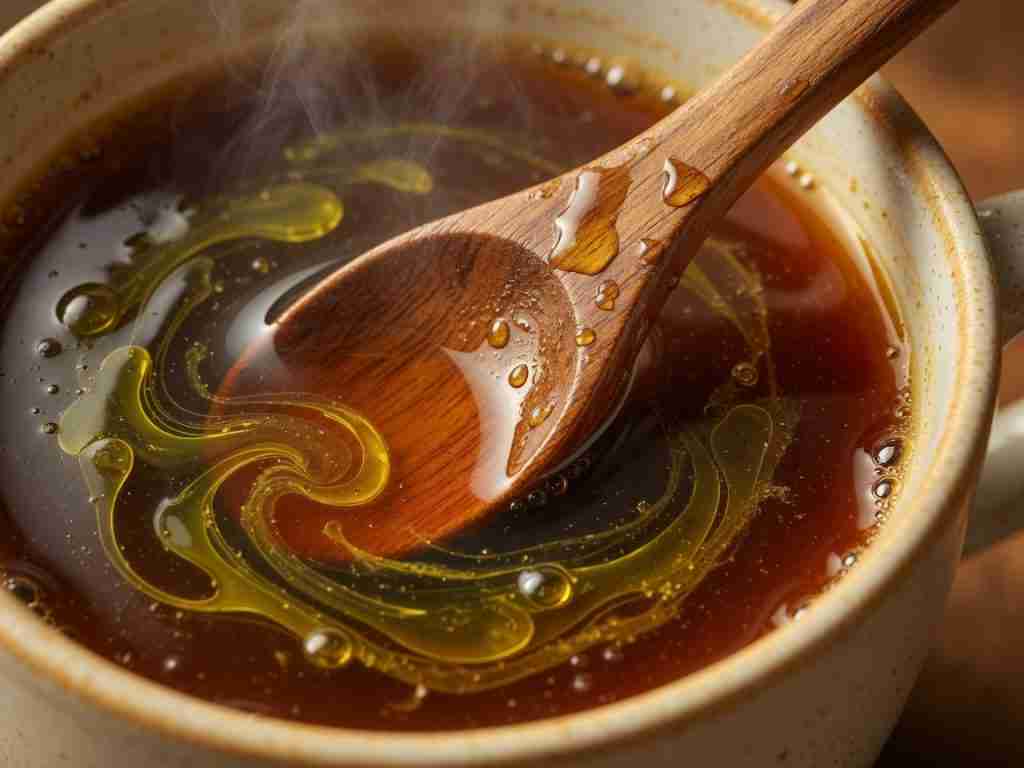
CBD’s melting point is modest. Its boiling / vaporization range is much higher than a coffee mug. That is why a stir into a hot drink is not an instant funeral. Degradation is a function of temperature plus time plus oxygen plus light. A 15-second swirl in a 160°F mug is not a 45-minute sheet pan at 400°F. Vape coils that taste like burning are a third regime: you made byproducts, not a wellness aerosol.
| Situation | Ballpark heat | What happens to CBD / CBDA | Practical take |
|---|---|---|---|
| Hot coffee or tea, stirred in the mug | Typically ~140–185°F (60–85°C), not a rolling boil | Most of the CBD you added is still there if you drink it soon | Add to the cup. Do not simmer in the kettle for minutes. |
| Decarboxylation of flower (CBDA → CBD) | ~220–250°F / 105–120°C for 30–60 min | Acid form converts to CBD; this is the point of decarb | For homemade flower infusions, not for a finished isolate tincture. |
| Low oven infusion into fat (butter, coconut oil) | Keep well under a scorch; think gentle oven or double boiler, not 400°F | CBD can survive a controlled infusion into fat | Fat first. Lid on. Do not chase a hard sauté. |
| Standard brownie / cookie bake | Often 325–375°F for 20–40+ min; edges hotter | Prolonged high heat degrades a share of what you paid for | A 400°F, 40-minute pan is a different problem than a warm mug. |
| Boiling soup or tea for minutes | 212°F / 100°C, with time and steam | Wasteful; you add time, oxygen, and a water phase CBD does not love | Finish off heat. Stir into fat in the bowl. |
| Vape coil / burnt hit | Highly variable; a burnt coil is too hot | Degradation plus whatever the coil and carrier produce when scorched | If it tastes burnt, you are not “getting more CBD.” Stop. |
| Closed bottle in a hot car | Cabin temps can exceed 140°F | Heat plus light plus oxygen over hours to days | That is storage failure. See the storage article. Do not cook it further. |
You will not get a kitchen-grade milligram assay. Treat the table as order-of-magnitude. The rule that survives: short contact with a hot drink is ordinary; long, dry, high-heat cooking is how tinctures die; water-only recipes are a bad solvent choice even before heat.
Coffee, tea, and the not-boiling rule
Brew the coffee. Pour the mug. Let it sit off a rolling boil. Add the measured oil, stir, drink. That sequence is what “CBD coffee” should mean. What it should not mean: dripping oil into an electric kettle and holding 212°F, or leaving a cup on a warming plate for an hour while the fat films on top and the terpenes leave.
Milk, cream, or a splash of oil in the cup is not garnish. CBD wants fat. Black coffee is mostly water. You will still swallow the oil as droplets; some of it will stick to the ceramic. A little dairy or MCT in the mug is the cheap bioavailability trick. Do not boil dairy either. You are making coffee, not a lab emulsion.
Tea is the same logic with more tannin bitterness. Drop oil into a cup that is drinkable, not into a teapot on a hard boil. If the ritual is the point and the milligrams matter, hold a sublingual dose, then drink the coffee as coffee. You lose less to porcelain that way.
Baking, decarboxylation, and why flower chemistry is not tincture chemistry
Finished CBD oil is already decarboxylated if it was made from heated extract or isolate. You do not need to “activate” a store tincture in the oven. That step is for raw flower, where CBDA is the main acid. Heating flower around 220–250°F for 30–60 minutes converts CBDA toward CBD. Overshoot with time and temperature and you start destroying the thing you just made.
If you infuse homemade butter, do it in fat, covered, at a controlled low heat. Water in the pan is for a sous-vide-style buffer some cooks like; the cannabinoids still partition into the fat, which is the part you keep. Dumping tincture into a watery sauce and reducing it on high is how you perfume the kitchen and underdose the plate.
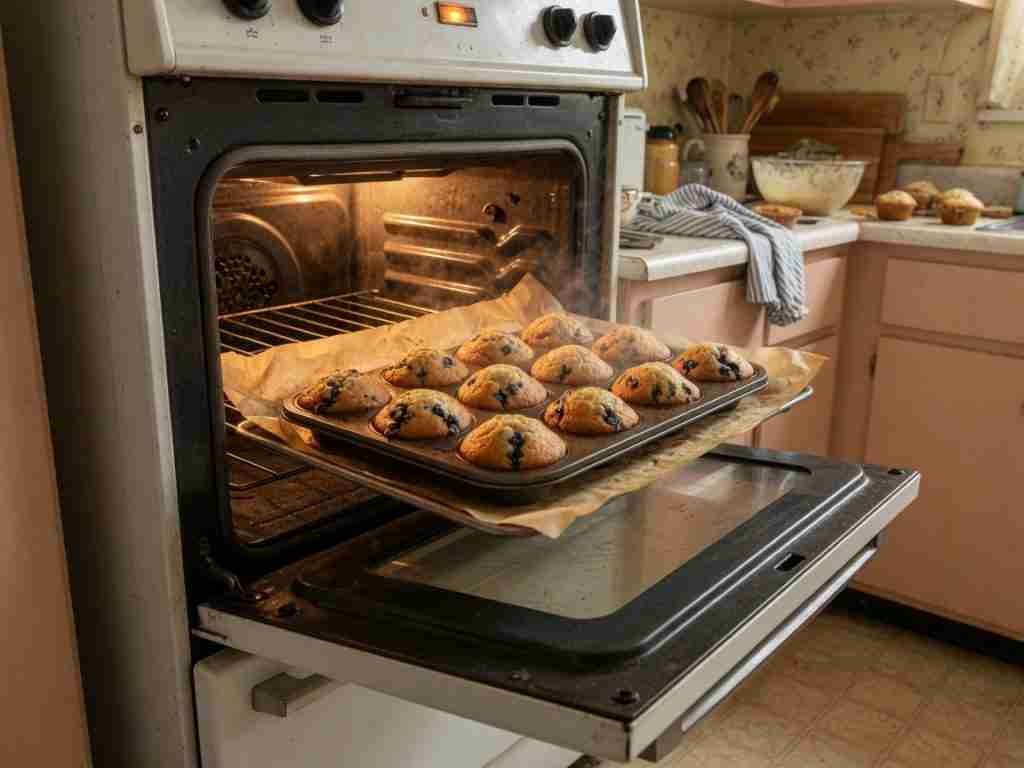
Commercial edibles are cooked in factories that start with more milligrams than the label and accept some loss. Your one bottle of 1,000 mg oil is not that factory. If you still want a brownie, mix the oil into the fat portion (butter, coconut oil) off heat, fold in, and bake at the lower end of the recipe’s range for the shortest time that sets the crumb. Do not pick a recipe that needs 400°F to char a top. Do not “make up” loss by emptying half the bottle into one pan unless you like a very long night.
- Measure milligrams in the bottle before you cook. You cannot recover them from a pan.
- Stir tincture into fat, not into water, stock, or egg-white foam.
- Coffee and tea: mug, hot-not-boiling, drink. No kettle residency.
- Flower you are decarboxylating: about 220–250°F for 30–60 minutes, then infuse that into fat. Use a thermometer, not oven folklore.
- Finished isolate or broad-spectrum oil: do not decarb it again. You will only add heat damage.
- Skip the 400°F, 40-minute project. If the bake is long and hot, pick a different vehicle.
- Vapes: if the coil is burnt, replace it. A toasted hit is degradation plus junk, not extra potency.
- Leftovers: refrigerate fat infusions, label milligrams per teaspoon, and do not recook the same butter five times.
Vapes, coils, and byproducts
Dry-herb vaporizers have temperature settings for a reason. Too low and you waste flower. Too high and you char. Combusting a joint is not “vapor.” It is smoke, with smoke’s toxins, plus whatever cannabinoids survived the cherry. If you are here because you care whether heat destroys CBD, a burnt coil should already look like a bad answer.
Carrier liquids in vape carts can scorch. That is not a CBD-coffee problem; it is an inhalation-chemistry problem. People chasing huge clouds run hotter. Hotter is how you get a harsh throat and a degraded load. There is no wellness case for a coil you can smell from the hallway.
Light and oxygen still win if you “protect” from heat only
A brown bottle in a dark cabinet beats a clear dropper on a sunny stove. Heat is one axis. The storage article is the rest: cap on, no windowsill, no six-month open bottle you shake into every sauce. Rancid carrier oil is a food problem and a potency problem. If the oil smells like crayons or old nuts, stop cooking with it and stop dosing it.
Microwaves are uneven. Do not microwave a tincture bottle. If you must warm a fat infusion that has gone solid, use a short hot-water bath, not a full boil, and stir. The goal is liquid enough to measure, not a simmer.
Toaster ovens and air fryers are the other kitchen trap. They run hotter at the surface than the dial admits, they blast dry air, and they brown edges fast. That is the opposite of a covered double boiler. If you infuse, use a bowl over barely simmering water, fat in the bowl, lid on, thermometer in the fat, and stay nearer the decarb band only when you are converting flower — not when you are melting a finished tincture into butter. Full-spectrum oil will smell like a head shop the moment it gets too hot; that smell is terpenes leaving, which is your milligrams volunteering to become kitchen air. Isolate in MCT is quieter and still not a reason to crank the oven to 400°F.
FAQ
Does hot coffee destroy CBD?
A splash in hot-not-boiling coffee, drunk soon, is a common and reasonable use. Boiling the oil for minutes in a kettle or on a warming plate is wasteful. Fat in the mug helps more than extra heat does.
Should I decarboxylate CBD oil before cooking?
Not if it is a finished extract or isolate. Decarb around 220–250°F for 30–60 minutes is for converting CBDA in flower to CBD. Reheating a tincture in the oven only adds degradation.
Can I bake CBD into brownies?
You can. A 400°F, 40-minute bake is a poor way to spend milligrams. Mix into fat, use a lower, shorter bake when the recipe allows, and accept that you will lose some. Factories overage; your one bottle cannot.
Do burnt vape hits still “count”?
They count as a reason to stop. Burnt coils mean degradation plus byproducts. That is not a dosing strategy.
Disclaimer: This article is for education only. It is not medical, nutrition, or product-safety advice. CBD products are not FDA-approved to diagnose, treat, cure, or prevent any disease, except the prescription medicine Epidiolex for certain seizures. Cooking with cannabinoids makes milligrams harder to measure. Talk to a clinician before using hemp CBD, and keep infusions away from children and pets.
